
PhD Project: Dual Electro-optic comb enabled photoacoustic spectroscopy
About the role
Lead University: RMIT University
Primary Supervisor: Prof Jian Zhen Ou (RMIT)
Co-Supervisors: Dist. Prof Arnan Mitchell (RMIT)
PhD stipend: AUD$41,555 per/annum + $5,000 per/annum top up
The project
Detecting multiple gas species simultaneously at trace concentrations with wide spectral coverage is critical for environmental monitoring, industrial process control, and non-invasive biomedical diagnostics.
This project aims to develop a compact sensing platform integrating electro-optic frequency comb technology with photoacoustic detection to enable rapid, broadband, and highly sensitive gas analysis, with practical applications in air quality monitoring, emissions tracking, hydrogen safety, and medical breath analysis.
The project suits students interested in interdisciplinary research at the interface of photonics, electronics, and sensing, offering hands-on experience with optical instrumentation, signal processing, and translational outcomes with real-world impact.
Eligibility criteria
-
- Bachelor’s degree (First Class Honours) or Master’s degree in Electrical Engineering, Photonics, Physics, or a related discipline.
- Research experience in optics/photonics, spectroscopy, RF/microwave engineering, or signal processing, along with proficiency in experimental techniques and data analysis, would be beneficial.
- Meet all RMIT PhD eligibility requirements: www.rmit.edu.au/research/research-degrees/how-to-apply
COMBS is committed to achieving gender equity and strongly encourages applications from women and women identifying candidates.
Why do a PhD with us at COMBS?
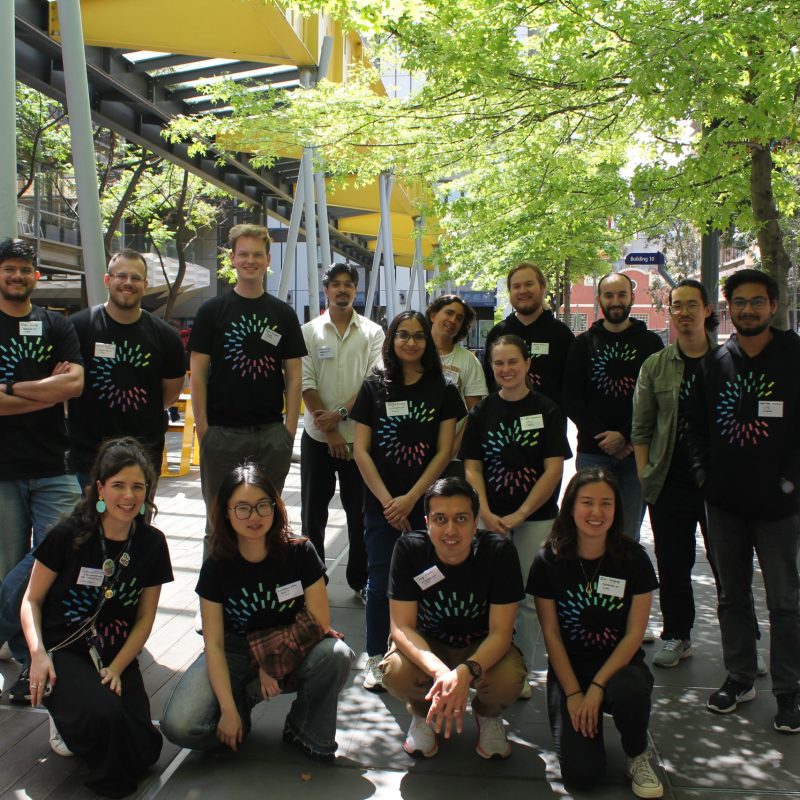
Competitive tax-free stipend
The Australian Research Council Centre of Excellence rate is (AUD$41,555 p/a) + $5,000 p/a top up
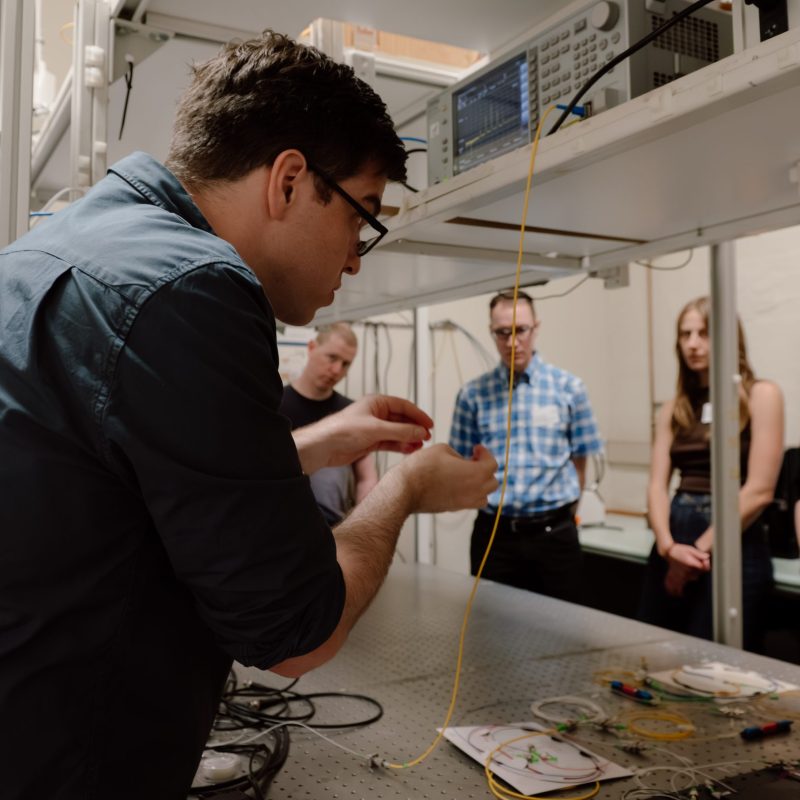
Be a part of our global network
Opportunities for industry internships.
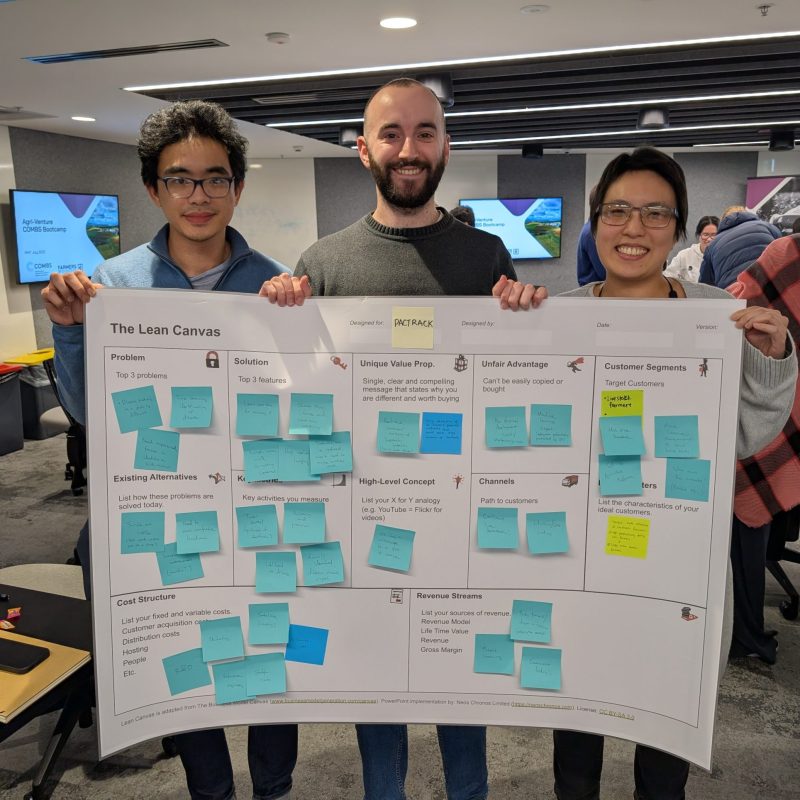
Get prepared with real-world skills
Opportunities to apply for internal grant schemes to upskill.
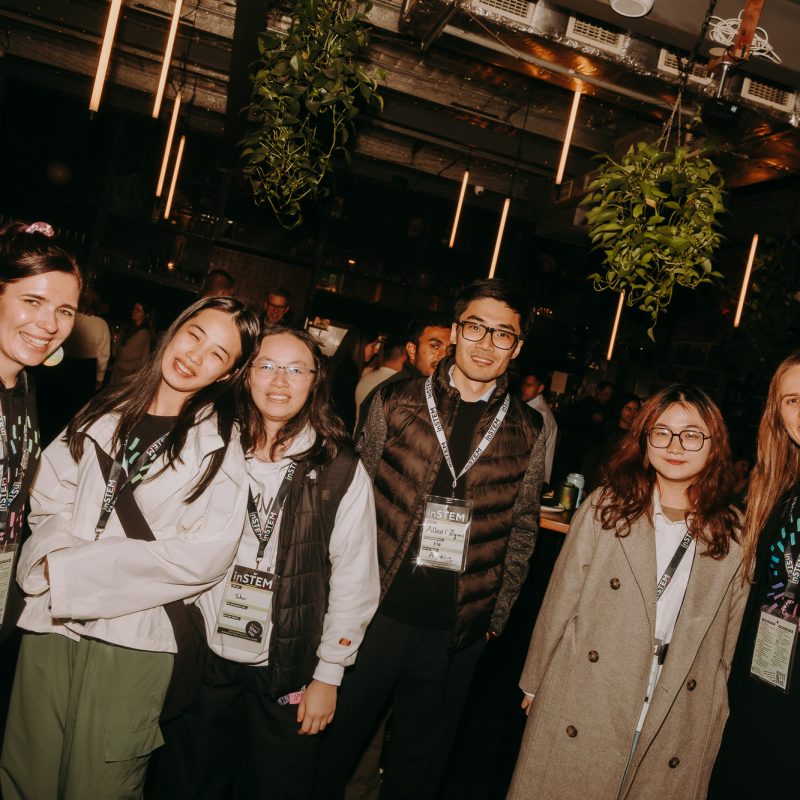
Attend events to build your network
Supported attendance at COMBS events like the Annual Centre Workshop, theme workshops and PhD network events.
How to apply
Please use the link below to submit your application.
Valid applications must:
- Be submitted using the application portal (applications will not be accepted via email)
- Include valid data for all required fields in the application form
- Include a cover letter (maximum one page) that includes:
- Your educational/professional experience that is relevant to the specific project you are applying for,
- Why you are interested in the specific project and pursuing a PhD in COMBS, and
- Any other information you think is relevant to your application.
- Meet all RMIT PhD eligibility requirements: www.rmit.edu.au/research/research-degrees/how-to-apply
Please note: You can apply for more than one PhD project by submitting a separate application for each project you intend to apply for in the form below.

What happens after I apply?
Once you have submitted your application you will receive an email confirmation as evidence that we have received it.
After the project application window has closed, all applications will be reviewed and a shortlist selected for interviews.
If you are successfully shortlisted, you will be contacted to arrange an interview.
NOTE: If you are unsuccessful in being shortlisted, you will still be contacted with this information so please avoid contacting us for updates on the status of your application.
Should you be offered the project after your interview, you will be required to apply for enrolment in a PhD program at the relevant university. Your successful enrolment will be dependent on meeting the university’s eligibility requirements so it is essential that you check these before applying with us to avoid disappointment.
The team you'll be joining

Associate Professor Jian Zhen Ou
Jianzhen is a specialist in developing nanomaterials and devising instruments for more accurate biological, ions, and gas sensing.
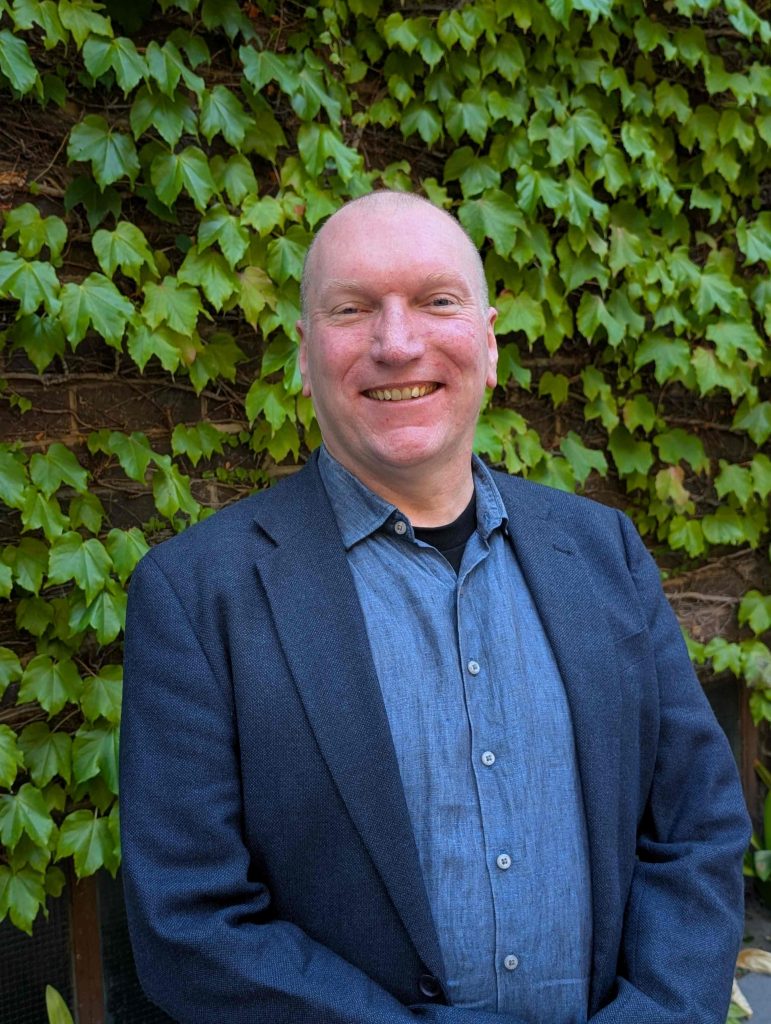
Professor Arnan Mitchell
Distinguished Professor Arnan Mitchell is an expert in integrated photonics who works with academics and industry to create technology solutions with real world impact.
Our culture at COMBS
We value gender equality, equity, diversity, inclusion, and access, and we recognise the importance of intersectionality.
We are committed to creating an environment that embraces and harnesses these intersections to do the best science we can.
We invite you to join us to become part of our diverse and inclusive COMBS community.
Hear from others who have done a PhD at a Centre of Excellence
Read about your future teams' research
Frequently Asked Questions (FAQs)
Yes, but you must submit a separate application for each project you intend to apply for.
The cover letter should highlight:
- Your educational/professional experience that is relevant to the specific project you are applying for,
- Why you are interested in the specific project and pursuing a PhD in COMBS, and
- Any other information you think is relevant to your application.
Each university has their own English requirements so you must check the relevant university’s website for details (linked with each project description above).
Visa approval times vary but will usually be completed within 2-3 months. You can check the current estimated approval time on this website (search for Student visa (subclass 500)): https://immi.homeaffairs.gov.au/visas/getting-a-visa/visa-processing-times/global-visa-processing-times