
Building Australia’s future microcomb workforce
To ensure Australia leads in microcomb technology, our Centre is building a pipeline of future researchers by engaging undergraduate students early in their training through hands-on paid internships.
The challenge
If Australia is to be a leader in microcomb technology, we need to start building the research workforce now.
With declining numbers of high-school physics students, visa constraints affecting international recruitment, and global competition for top PhD candidates, we need a more proactive approach to engage students earlier in the research pipeline.
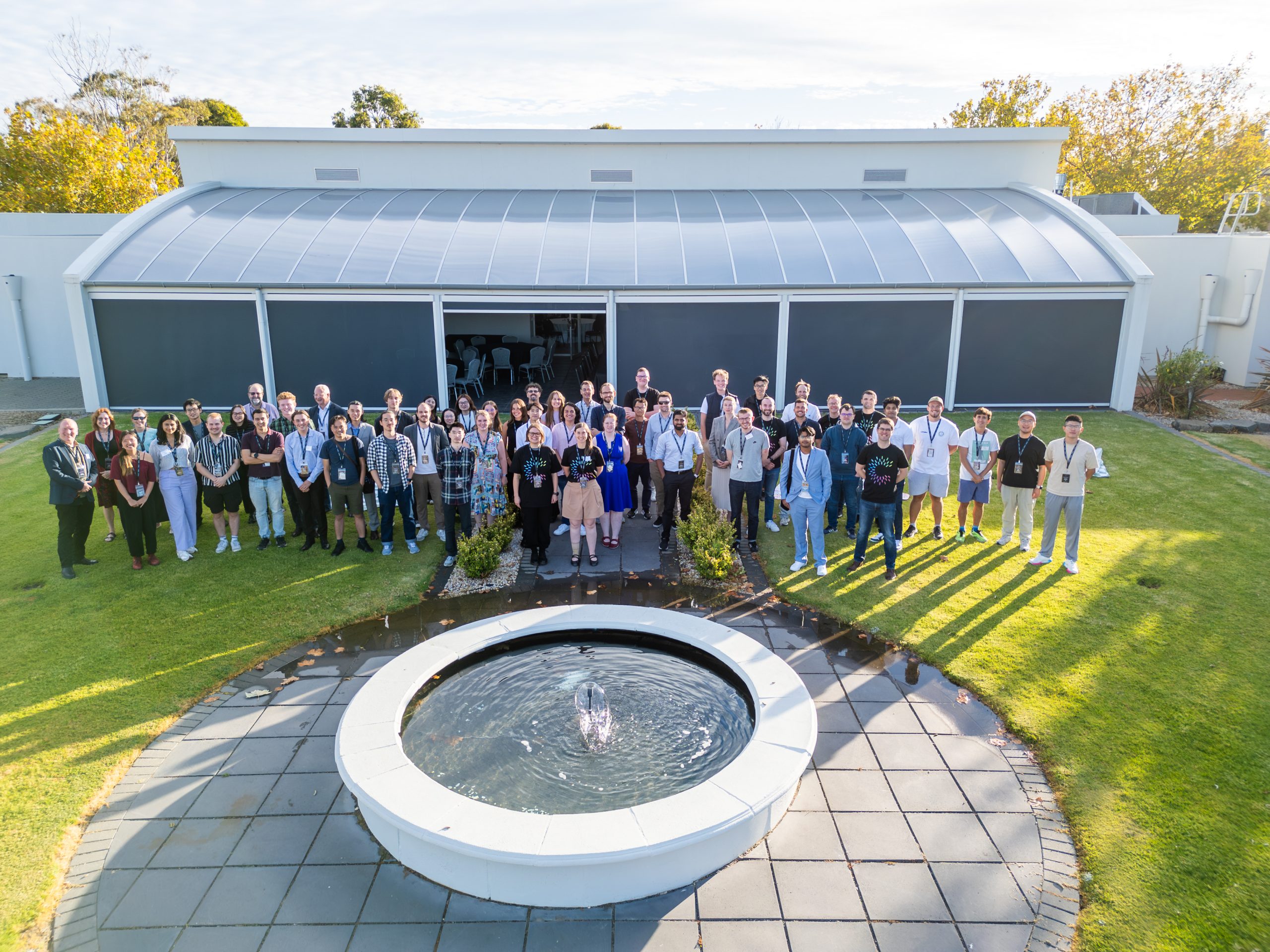
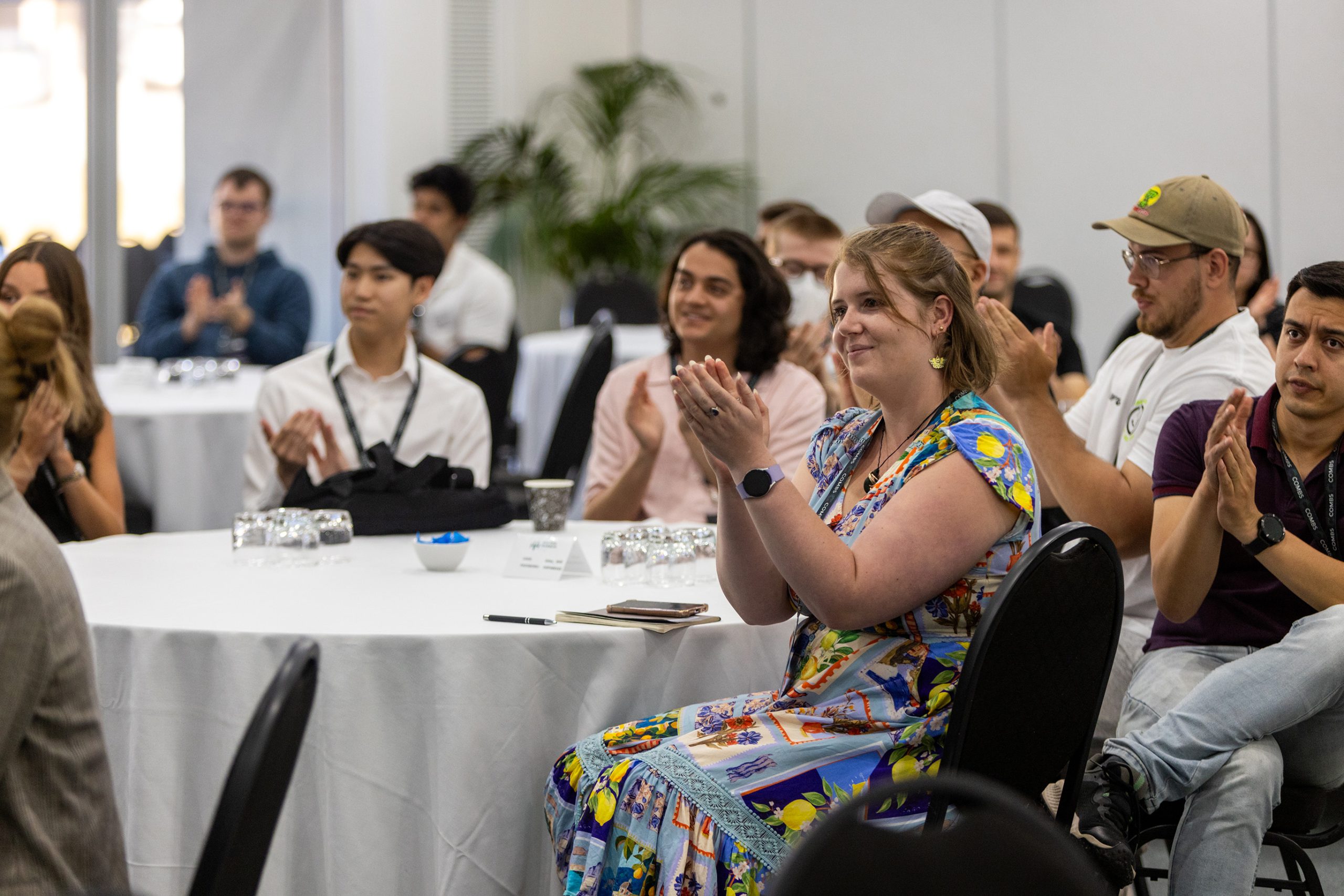
Our Summer Internship class of 2024/2025 – with other COMBS members – at the 2025 COMBS Annual Workshop in Victor Harbor
Our response
To engage students early in their research careers, our COMBS Education and Outreach Committee established a six-week paid Summer Undergraduate Internship across our Centre universities.
The initiative gave students the opportunity to:
- gain hands-on laboratory experience
- receive training from a Cosmos journalist on what makes a science story newsworthy
- gain insight into research entrepreneurship
- learn about diverse scientific career pathways
- See microcomb technology in action
The results and current progress
Following a national promotional campaign, 13 undergraduate students were selected, with many completing internships at a different university, state or country from their home institution.
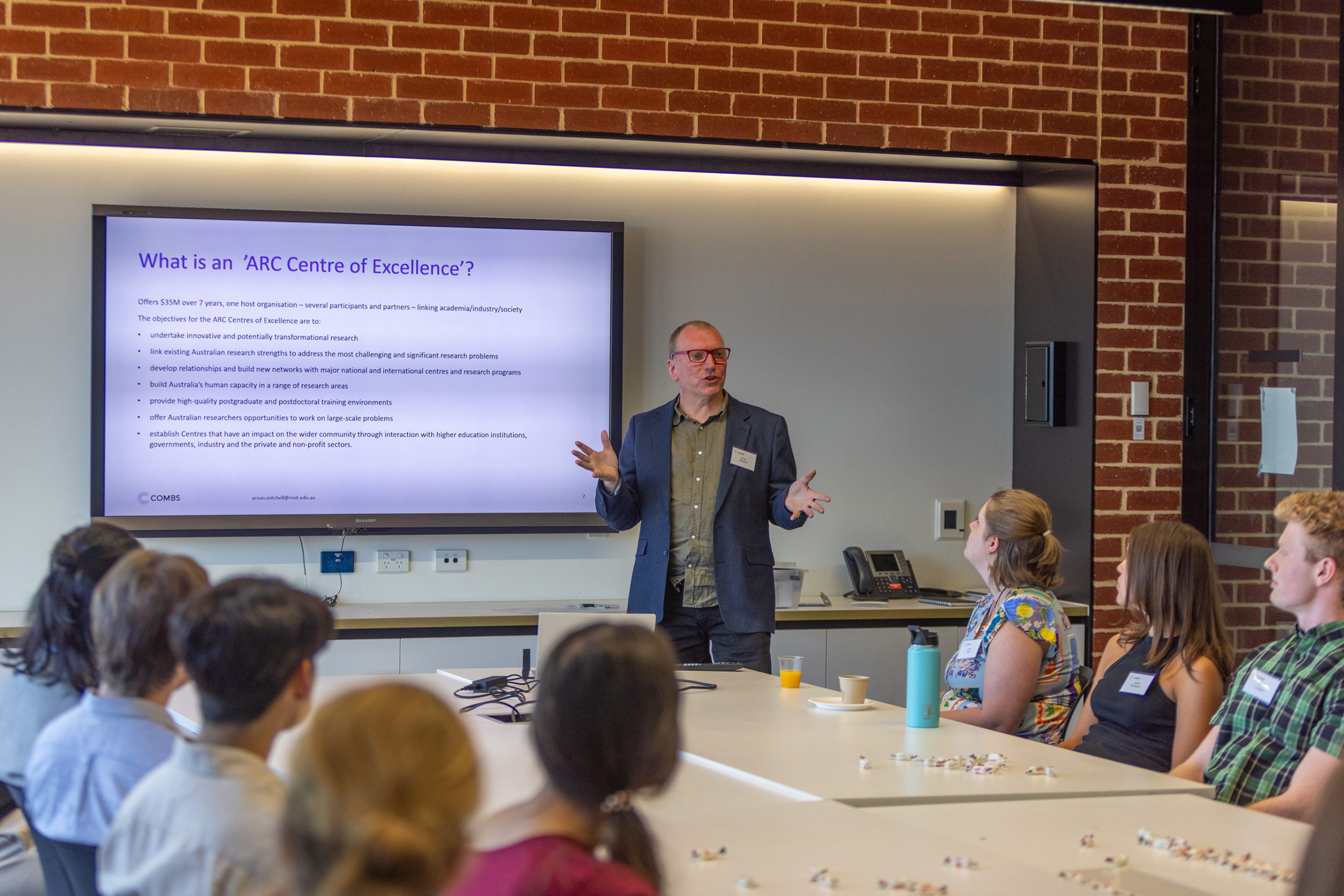
Participants attended a one-day training event at the University of Adelaide alongside more than 60 other COMBS researchers – from PhD students through to mid-career researchers.
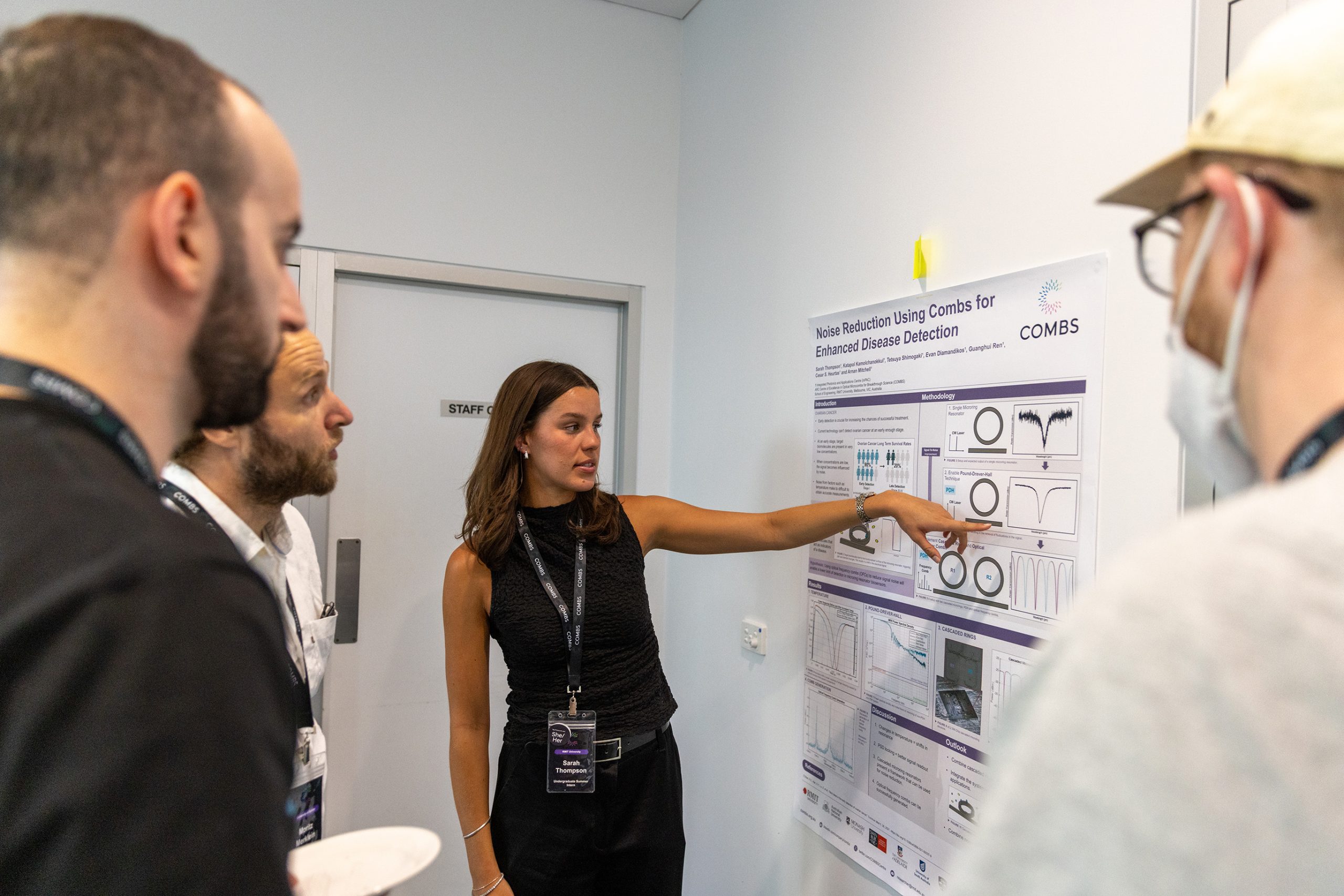
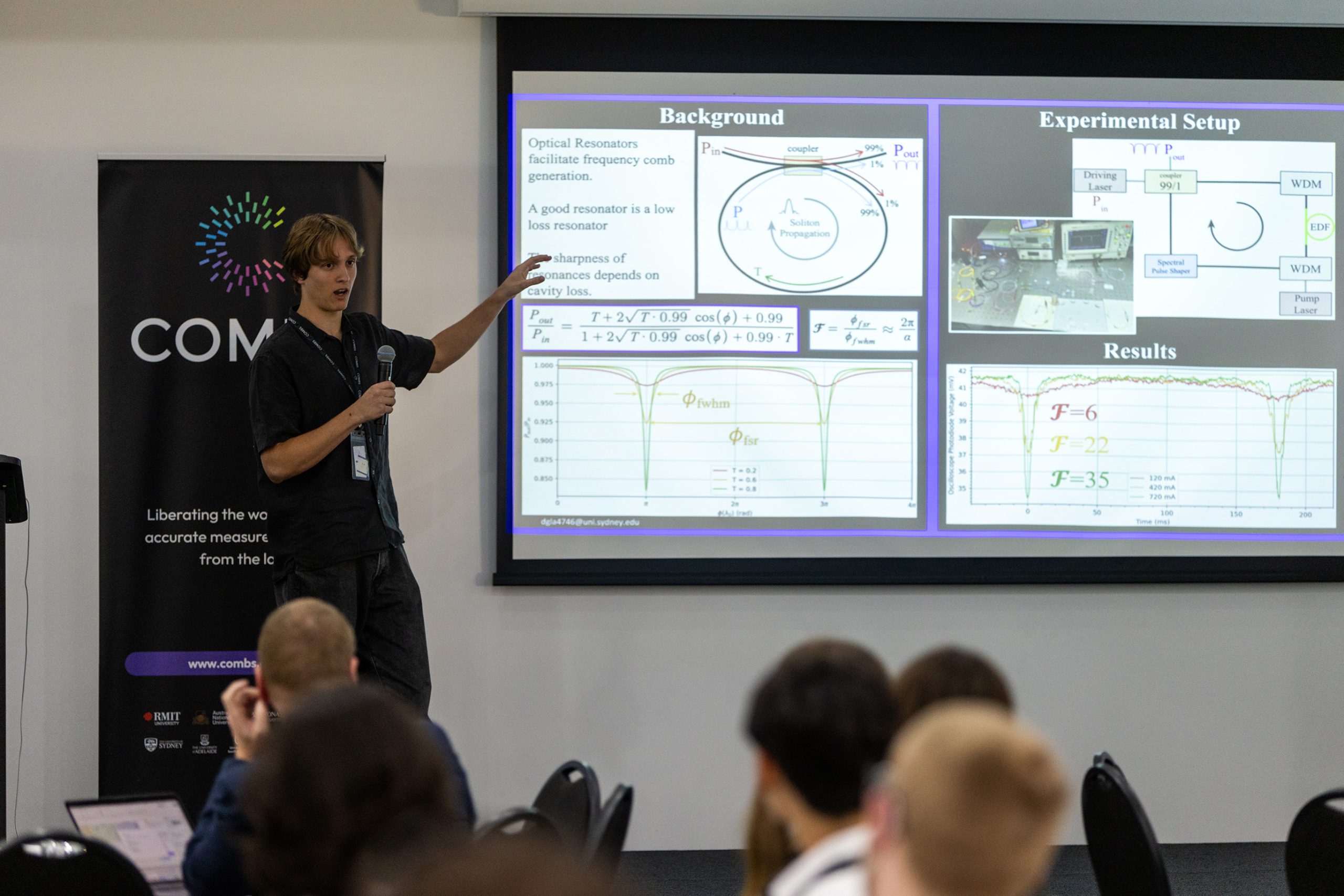
The internship culminated at the COMBS Annual Workshop, where students presented their research through a three-minute presentation and poster.
Early outcomes demonstrate the program’s success in building a pipeline of next-generation microcomb researchers: four students have now enrolled in Honours degrees with COMBS, and three have confirmed they will undertake PhDs within the Centre.
By engaging students early in their research careers, we aim to continue building the skilled workforce needed to ensure Australia remains at the forefront of microcomb technology.
Team

Ruth Waterman
Ruth coordinates the research, training and development activities, and the Equity, Diversity and Inclusion Committee at the Australian Research Council Centre of Excellence in Optical Microcombs for Breakthrough Science (COMBS).

Professor Irina Kabakova
Irina is an optical physicist exploring advanced imaging techniques for modern biomedical optics, biology and bioengineering.