
Creating laboratory ‘doppelgangers’ to fast-track breakthrough science
If we want the world’s most accurate measurement tool to end up in the hands of end-users, we first need to make it easier to use inside our own Centre.
The challenge
The microcomb currently requires a physics PhD to operate
Currently, the optical frequency comb – a device that turns one laser into hundreds of perfectly spaced colours of light like a comb – comes in many different ‘flavours’.
Our universities (called nodes) in different states tend to be specialised in one specific flavour of comb, which creates challenges for cross-node and cross-disciplinary collaboration.
To make our microcomb platforms as accessible as possible, we need to make them available to all researchers across the Centre.
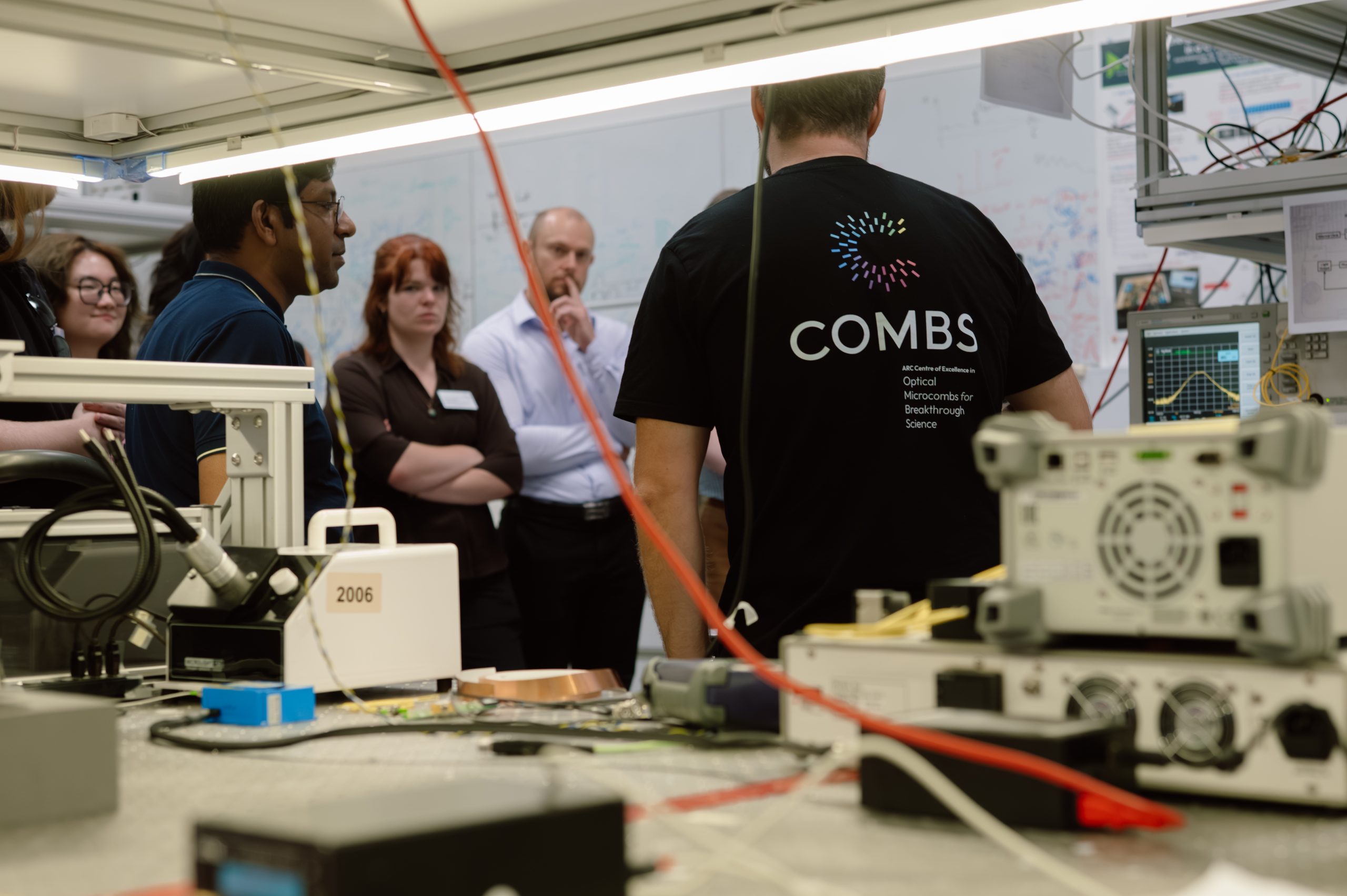
Our researchers - including Summer interns from our 2025/2026 cohort - learning about how to use microcombs at our University of Sydney node.
Our response
Creating matching ‘sets’ of our microcombs
To ensure we have shared expertise across our different types of combs technology – we need to translate it to other nodes.
Through Infrastructure Grants, we invested in matching laboratory setups – doppelganger labs – across our nodes. Our nodes collaborated to develop equivalent equipment ‘sets’ to support microcomb and mode-locked laser research.
The goal was to ensure that no matter where a researcher travels within COMBS, they encounter a familiar experimental environment – ready to begin experimenting wherever they are.
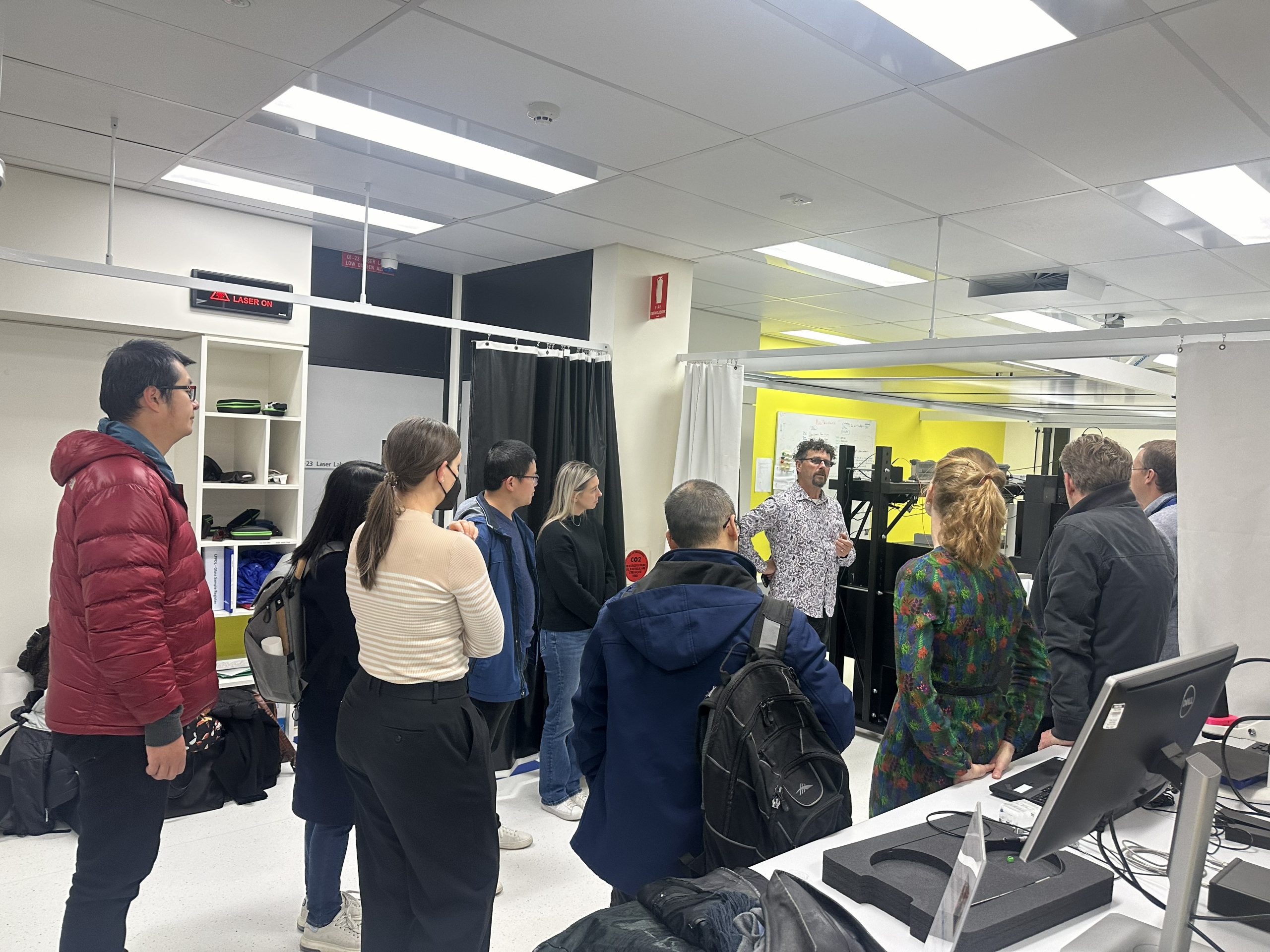
Our COMBS members - spanning Chief Investigators through to PhD students - learning about microcomb technology at our University of South Australia node.
The results
Matching laboratory equipment despite geographical distances for research breakthroughs
Throughout 2025, our universities began developing matching ‘sets’ of equipment.
A researcher visiting from the University of Adelaide to Swinburne can now walk into a lab and recognise the setup immediately – testing ideas right away.
This duplication allows experiments to be rapidly validated across states, while spreading knowledge and reducing bottlenecks of one piece of expertise existing in one area.
By creating ‘doppelganger’ laboratories, we aim to build microcomb literacy – building confidence and capability in using the technology.
Ultimately, before microcombs can become as accessible as consumer electronics, they must first become second nature within our own research ecosystem.
Team
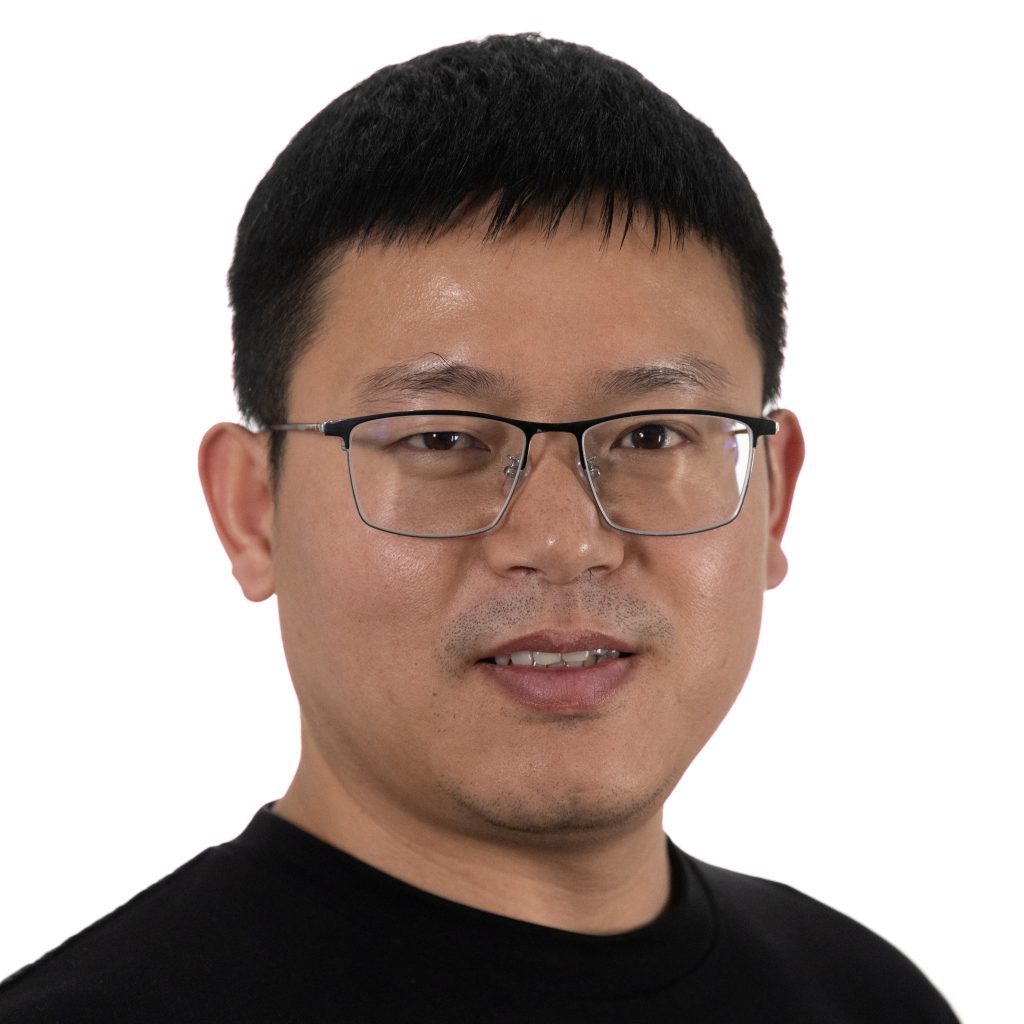
Dr Guanghui Ren
Guanghui is a member of research staff at RMIT University. He works on the Science and Technology theme.

Professor Baohua Jia
Baohua uses light to interact with 2D materials to design nanostructures and nanomaterials for faster optical communications.

A/Prof Andreas (Andy) Boes
Andy is a photonics engineer who specialises in integrated circuits and optical frequency combs and their use for LiDAR, positioning and time measurements.
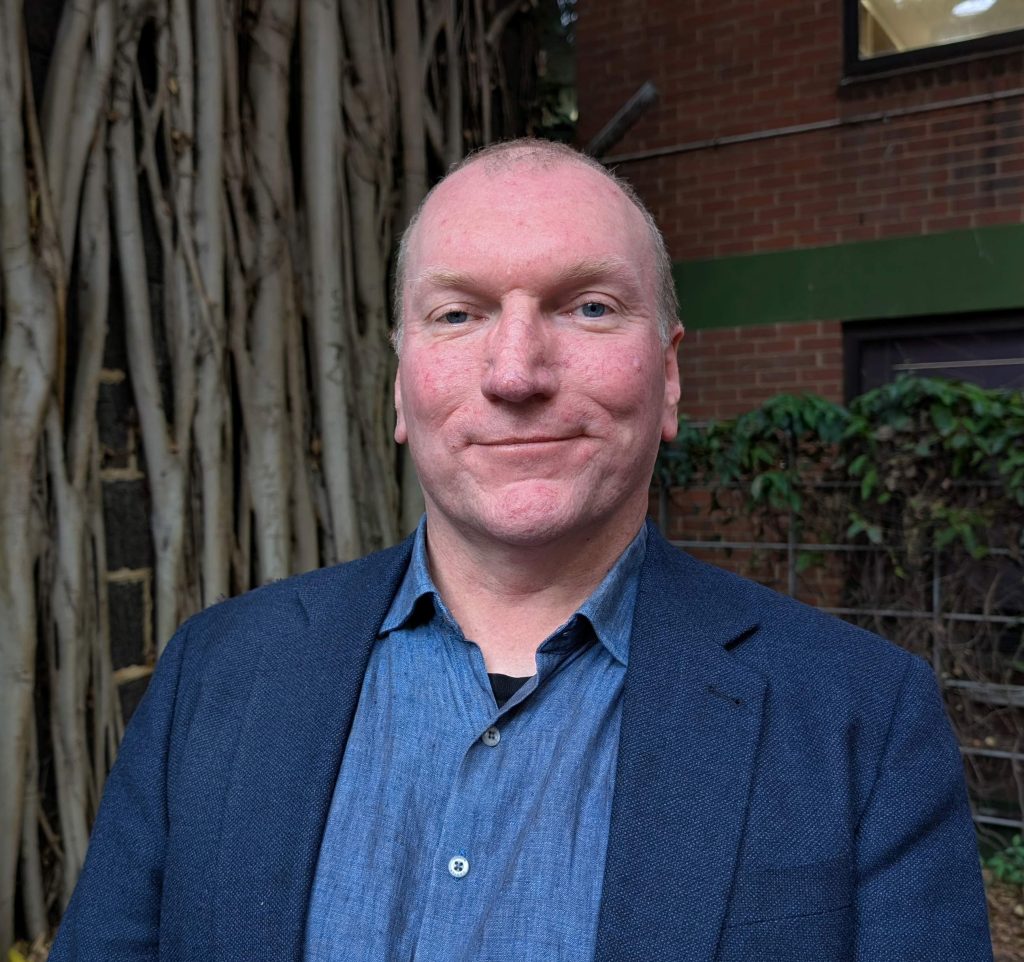
Professor Arnan Mitchell
Distinguished Professor Arnan Mitchell is an expert in integrated photonics who works with academics and industry to create technology solutions with real world impact.

Dr Antoine Runge
Antoine’s research is currently focused on optical solitons for use in nonlinear photonic applications.
Professor David Lancaster
David is a laser researcher and inventor who is interested in sensing, defence and advanced manufacturing applications.