Building an ecosystem – and ensuring women are a key part of it

Building an ecosystem – and ensuring women are a key part of it

The biggest thing our Centre is trying to do is explore how microcombs might transform society, and to build an ecosystem to make that happen.

We want that ecosystem to take full advantage of the plethora of creativity and drive that Australia has to offer.

However, sadly today, half of that ecosystem is woefully underrepresented – particularly in senior roles.
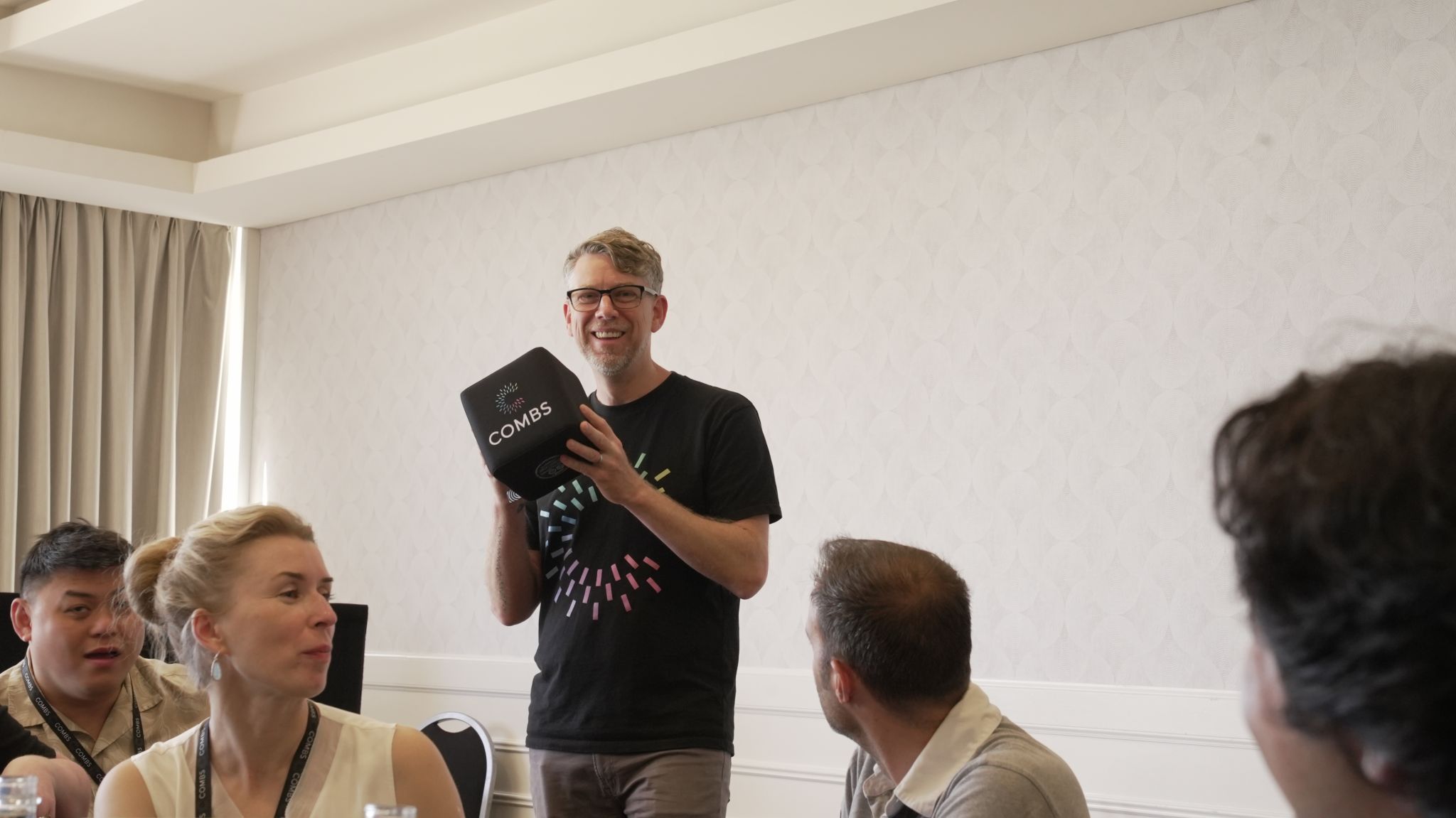
So what are we doing about this as a Centre?

On International Women’s Day (and every day!), our Centre aims to level the playing field and create opportunities for women in research – and there’s still more to do.

How are we balancing the scales?

⚖️ We ran a Career Restart Grant in 2025 with a successful participant to give someone the opportunity to reignite their career after a career break

⚖️ Supported our researchers who are also carers to attend our Annual Workshop, by employing support staff

⚖️ We ran a Culture Survey in 2025 that showed us a baseline of data of where our Centre stands (with the aim to provide interventions to then follow up in 2027).

⚖️ We have a PhD student researching our COMBS practices in equity, diversity and inclusion

⚖️ We are rolling out an Equity, Diversity and Inclusion Commitment across the Centre, so it’s embedded in every decision we make

⚖️ We have upskilled our Centre members at the annual InSTEM event about challenges and solutions in equity, diversity and inclusion

2026 COMBS Annual Workshop wrap-up

2026 COMBS Annual Workshop wrap-up

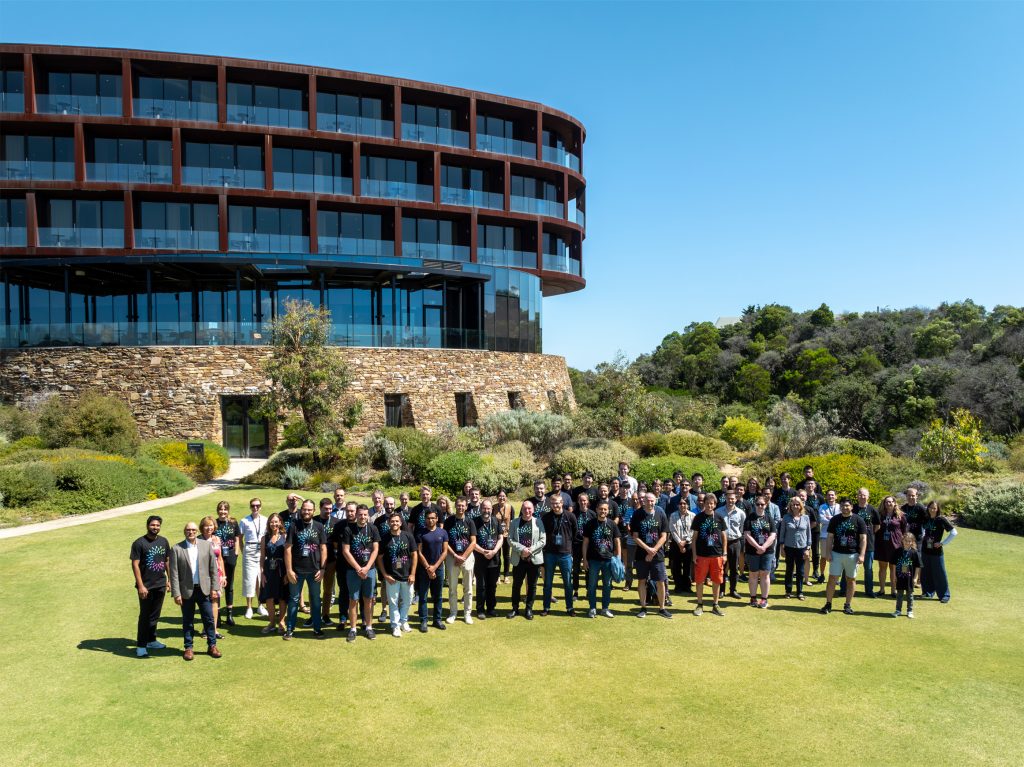
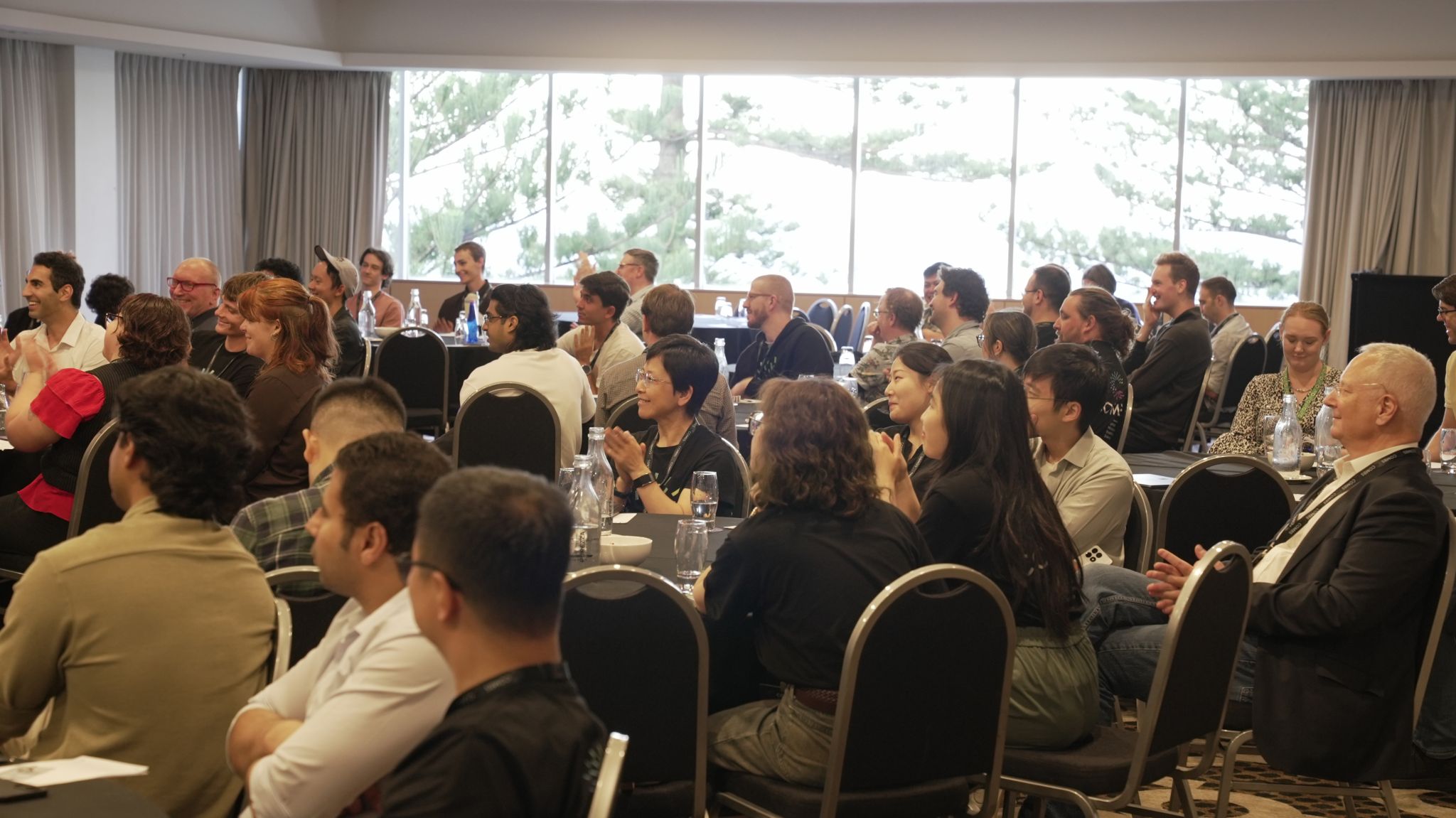
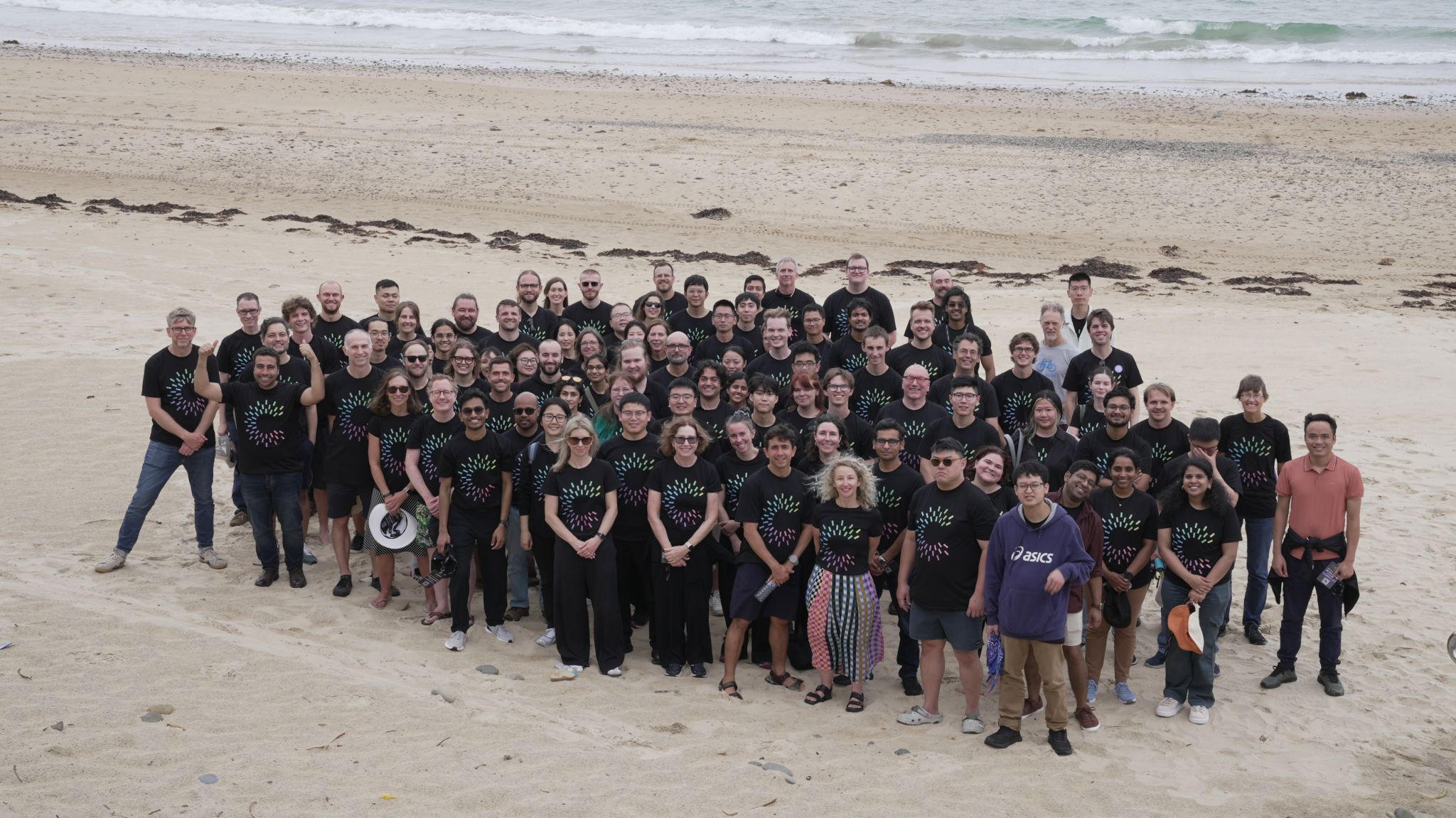
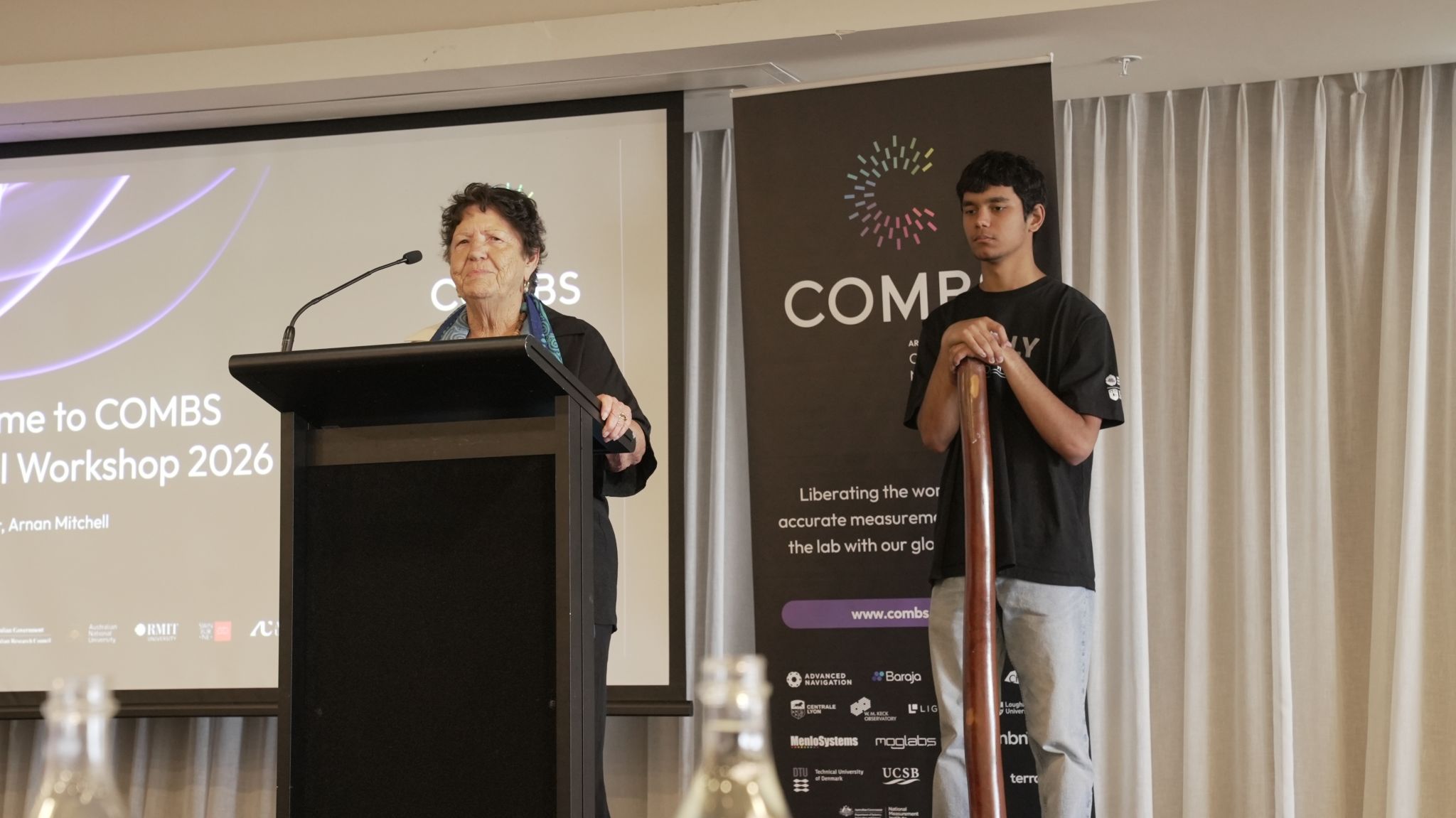
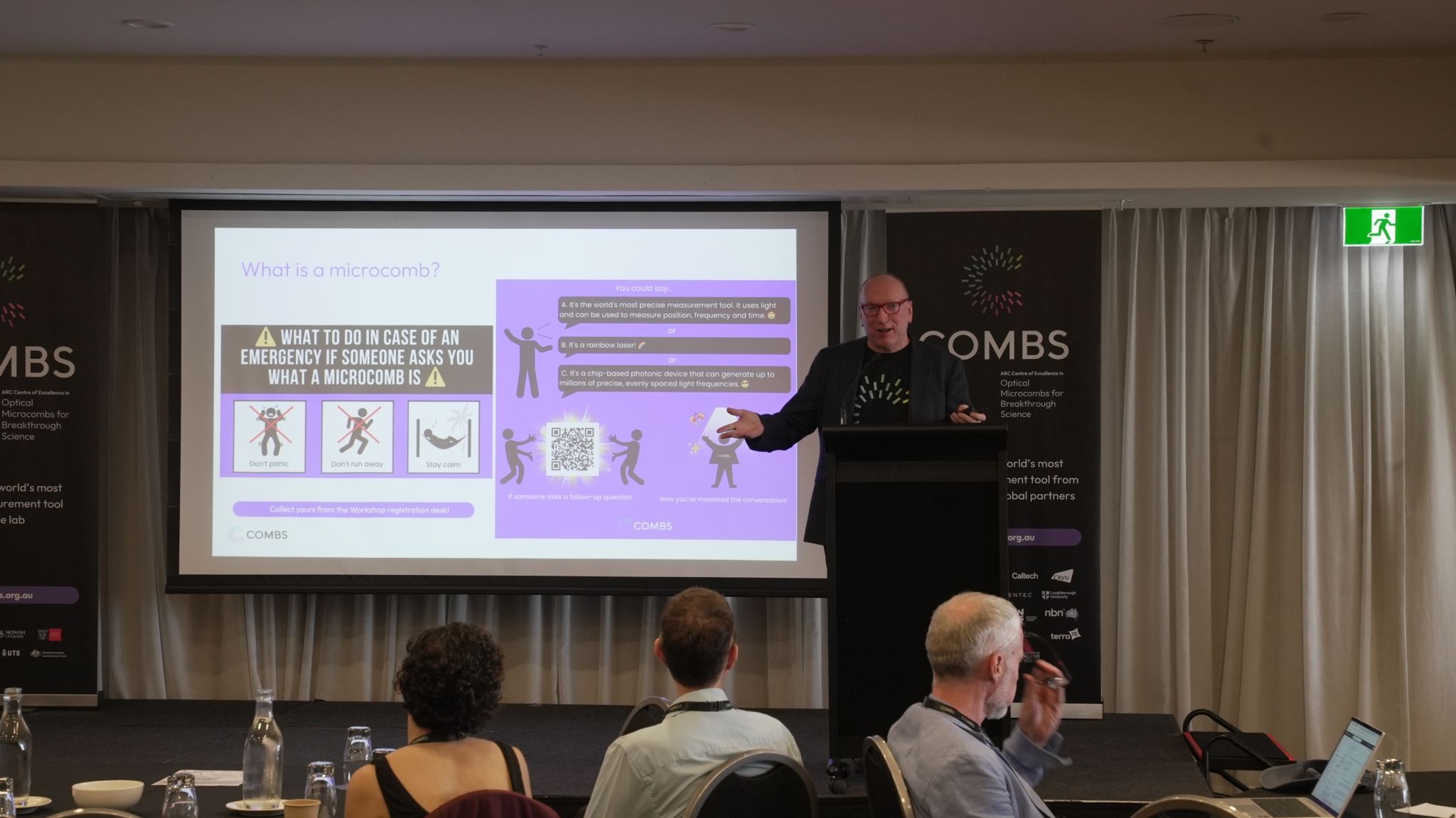
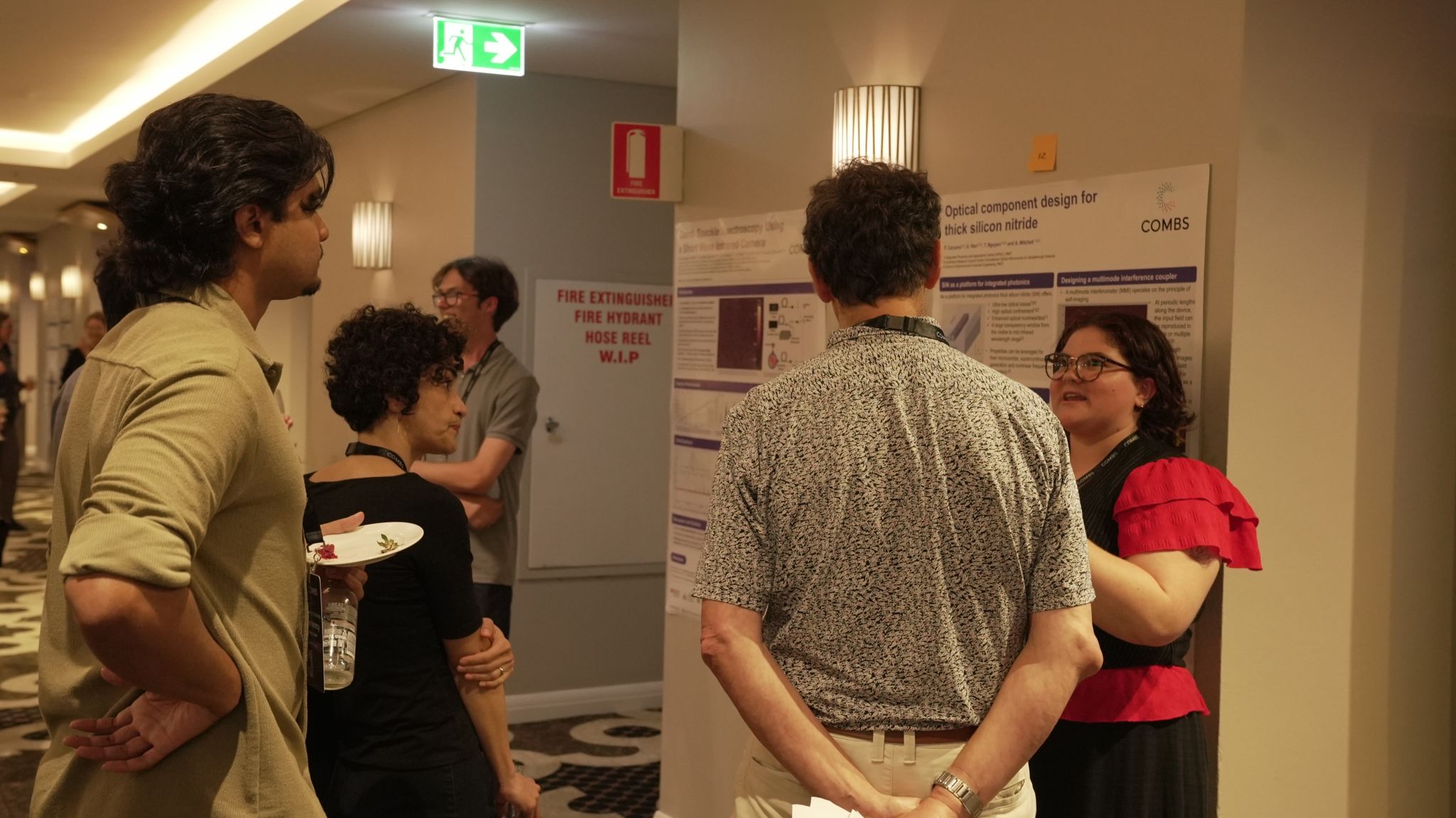
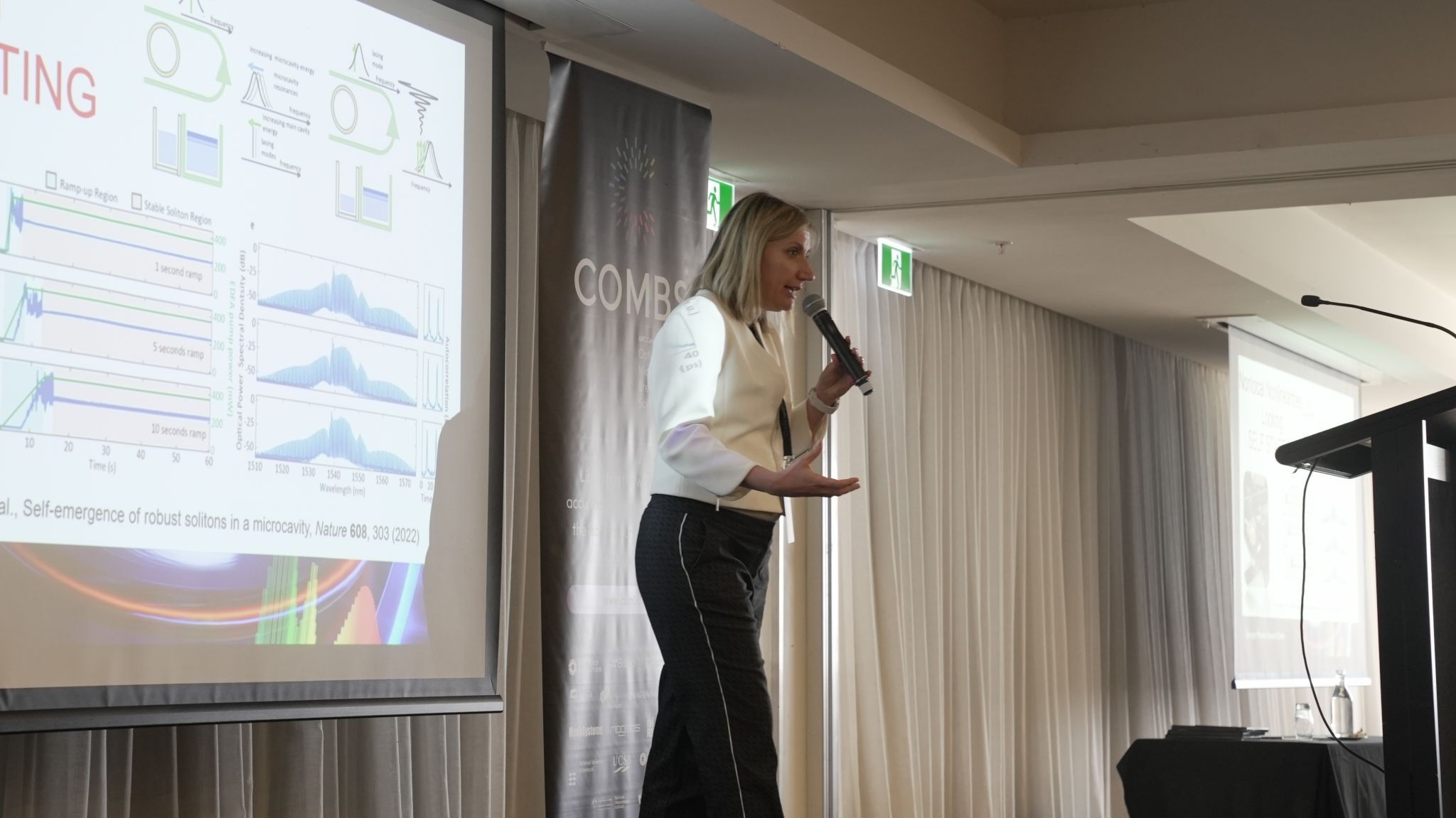
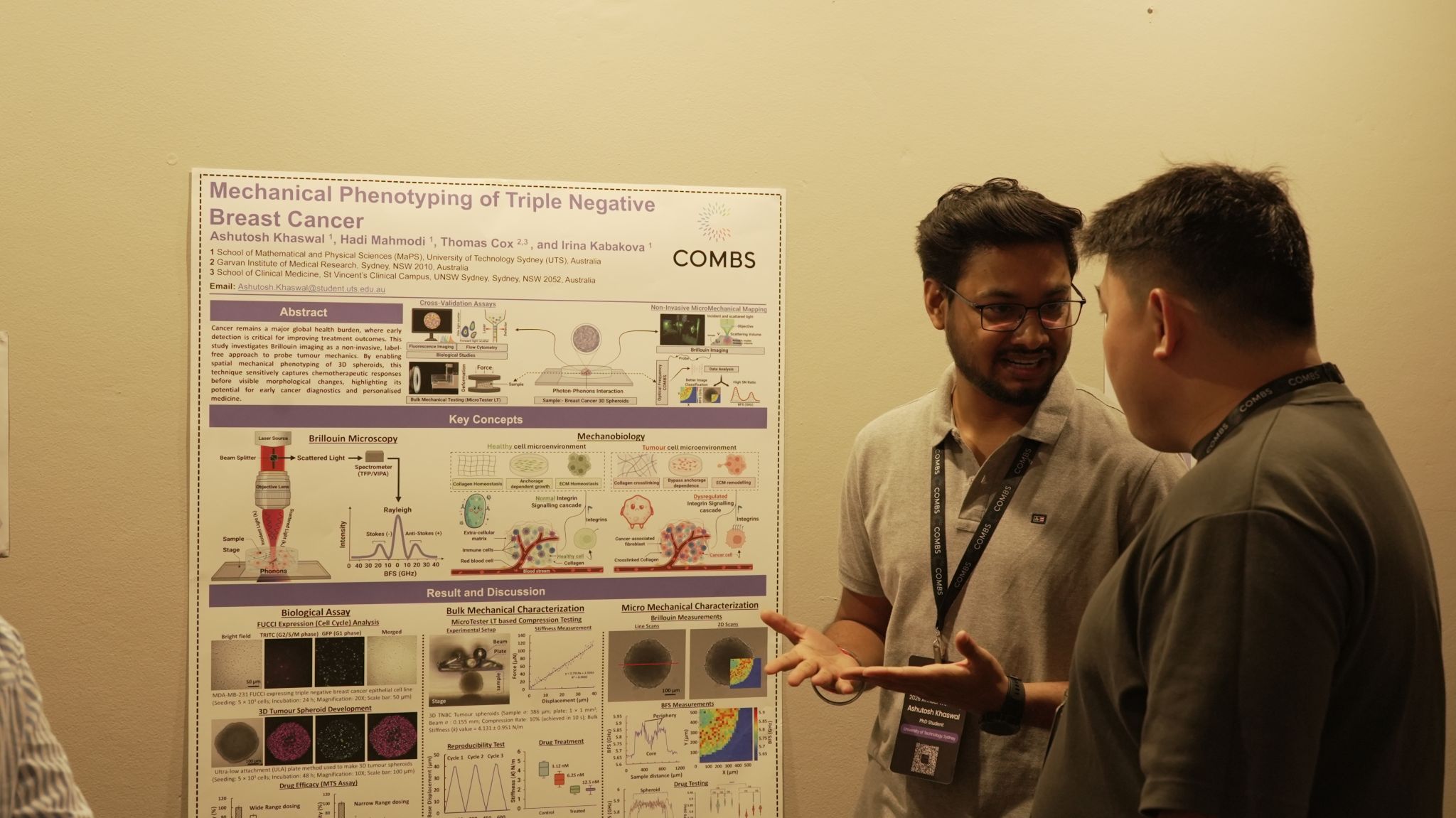
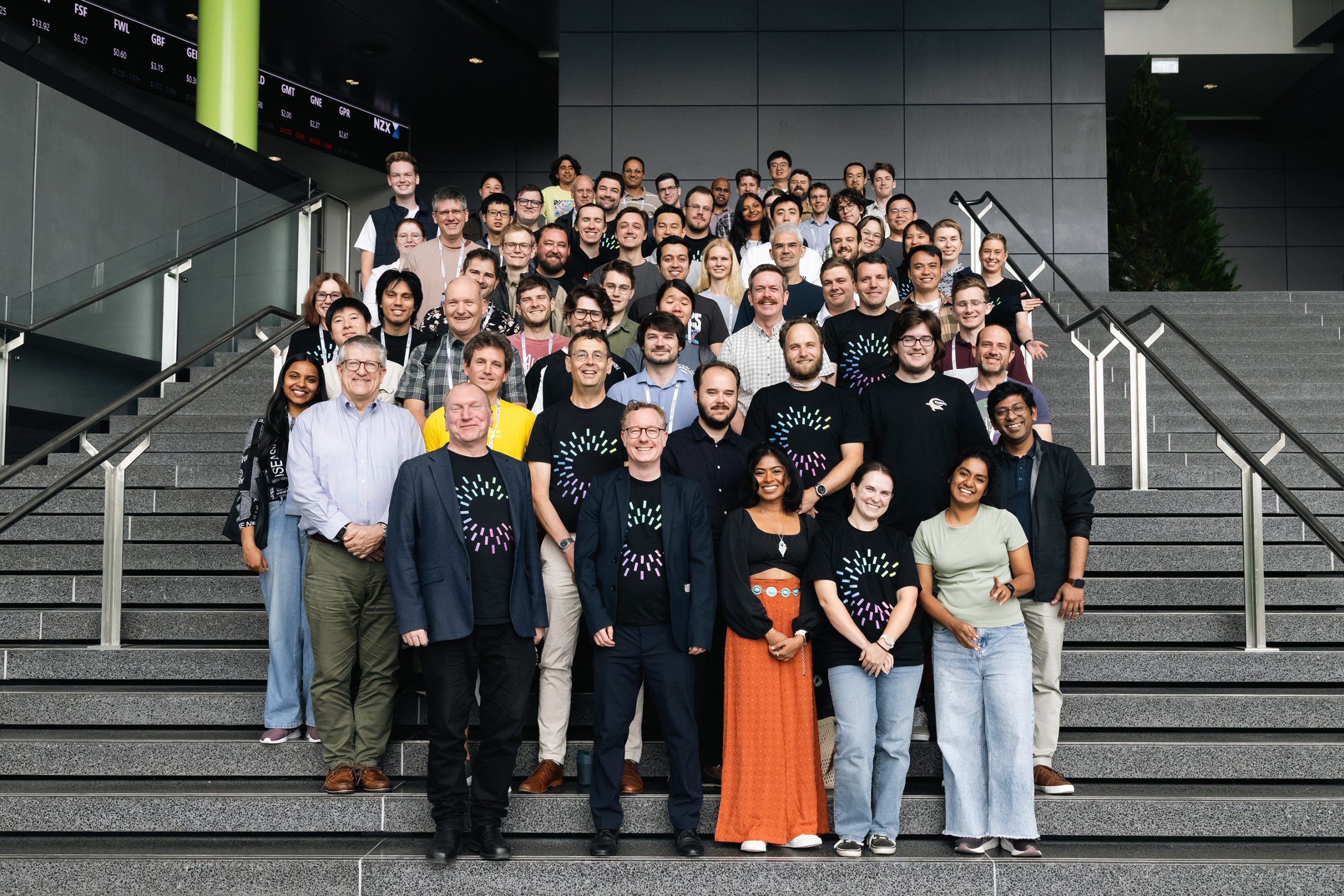
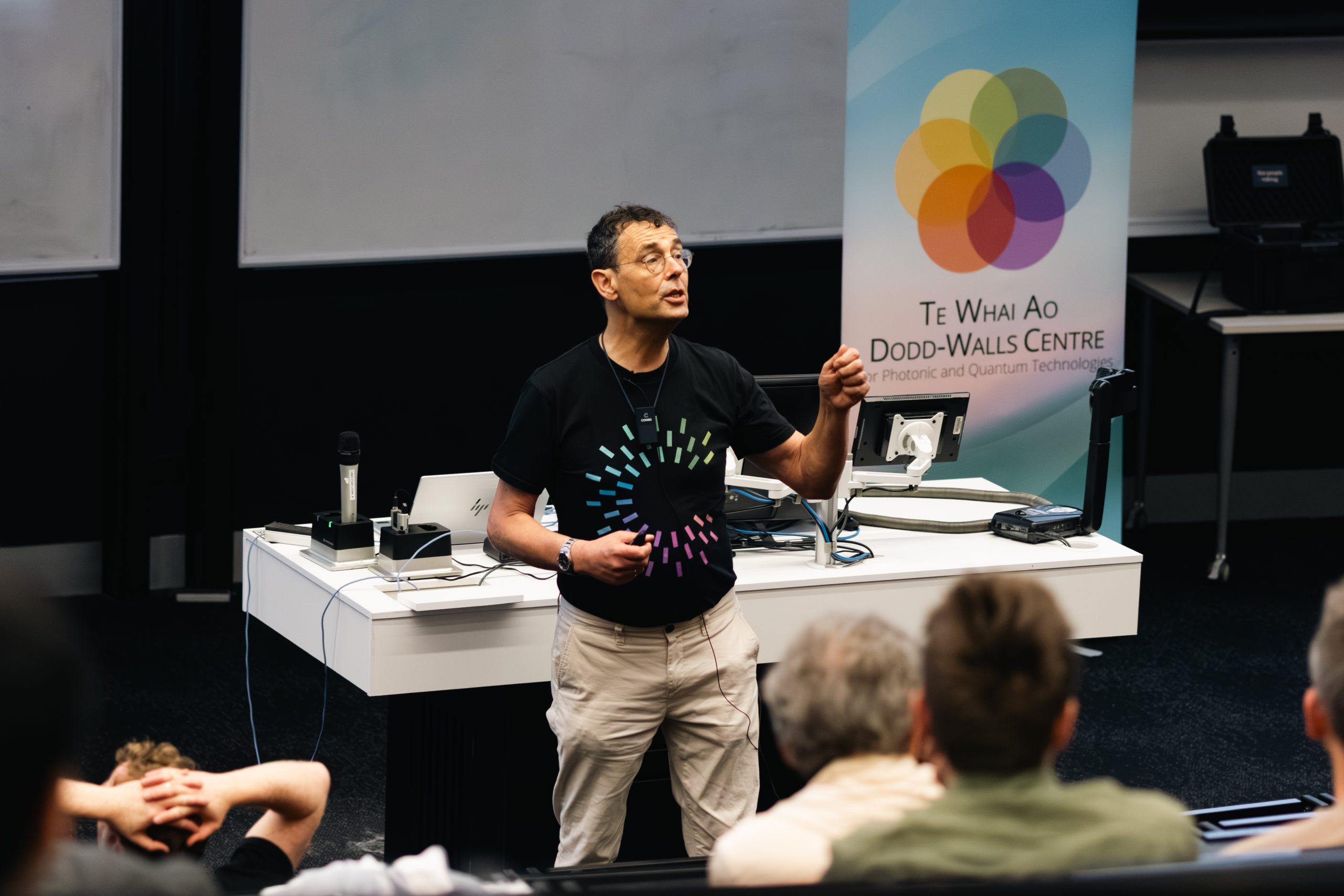
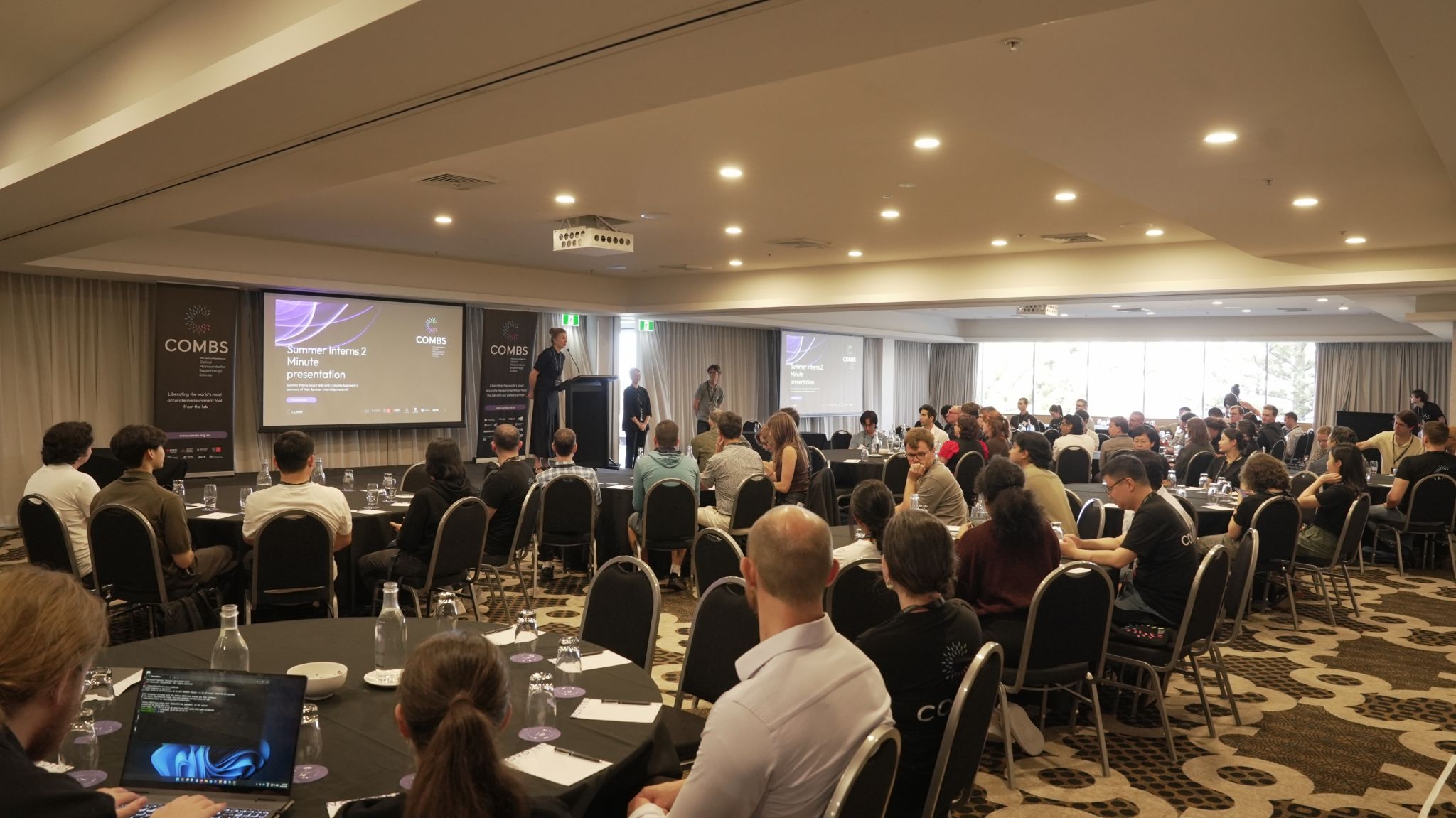
The 2026 COMBS Annual Workshop has just wrapped up in Wollongong.

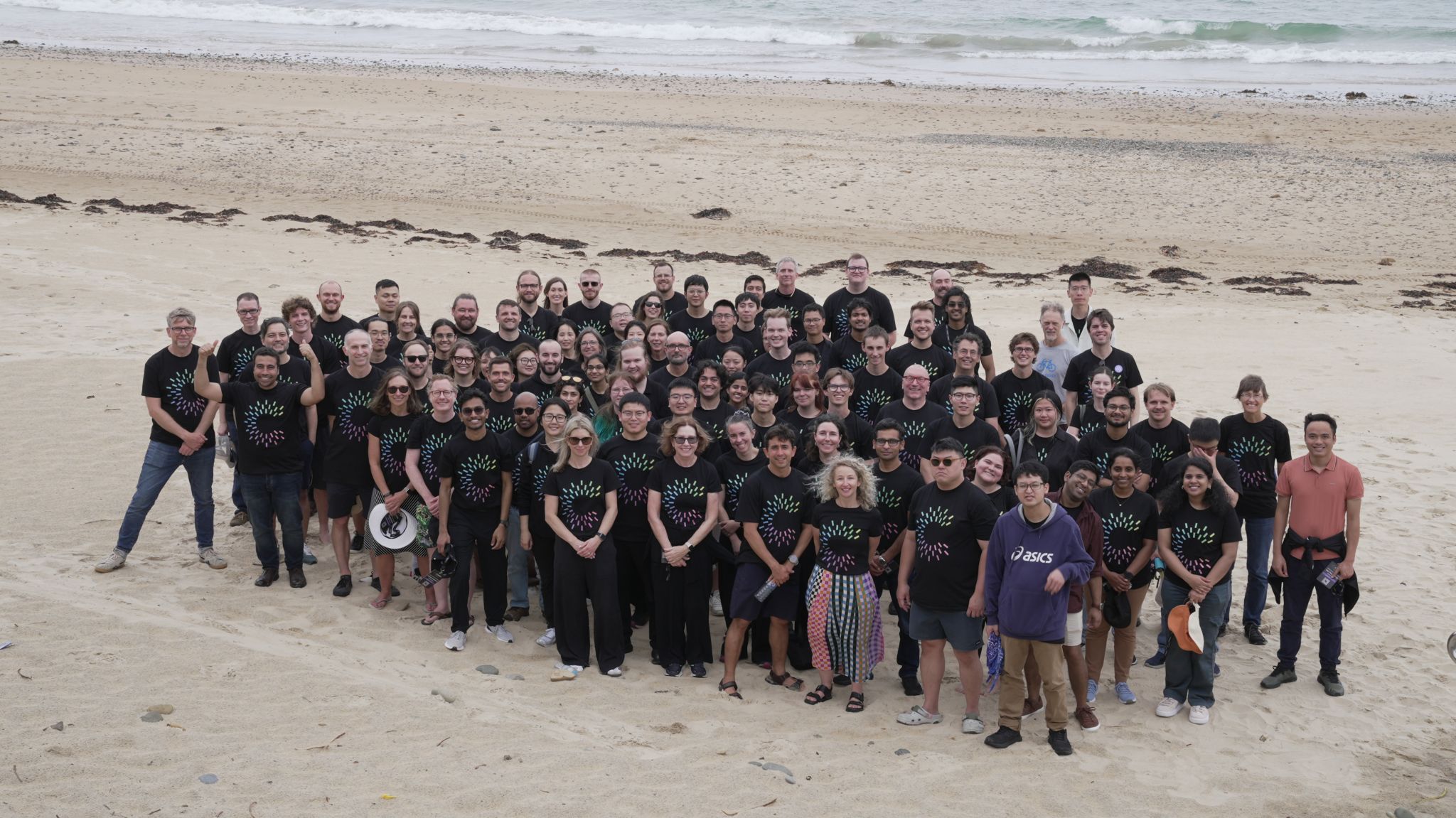
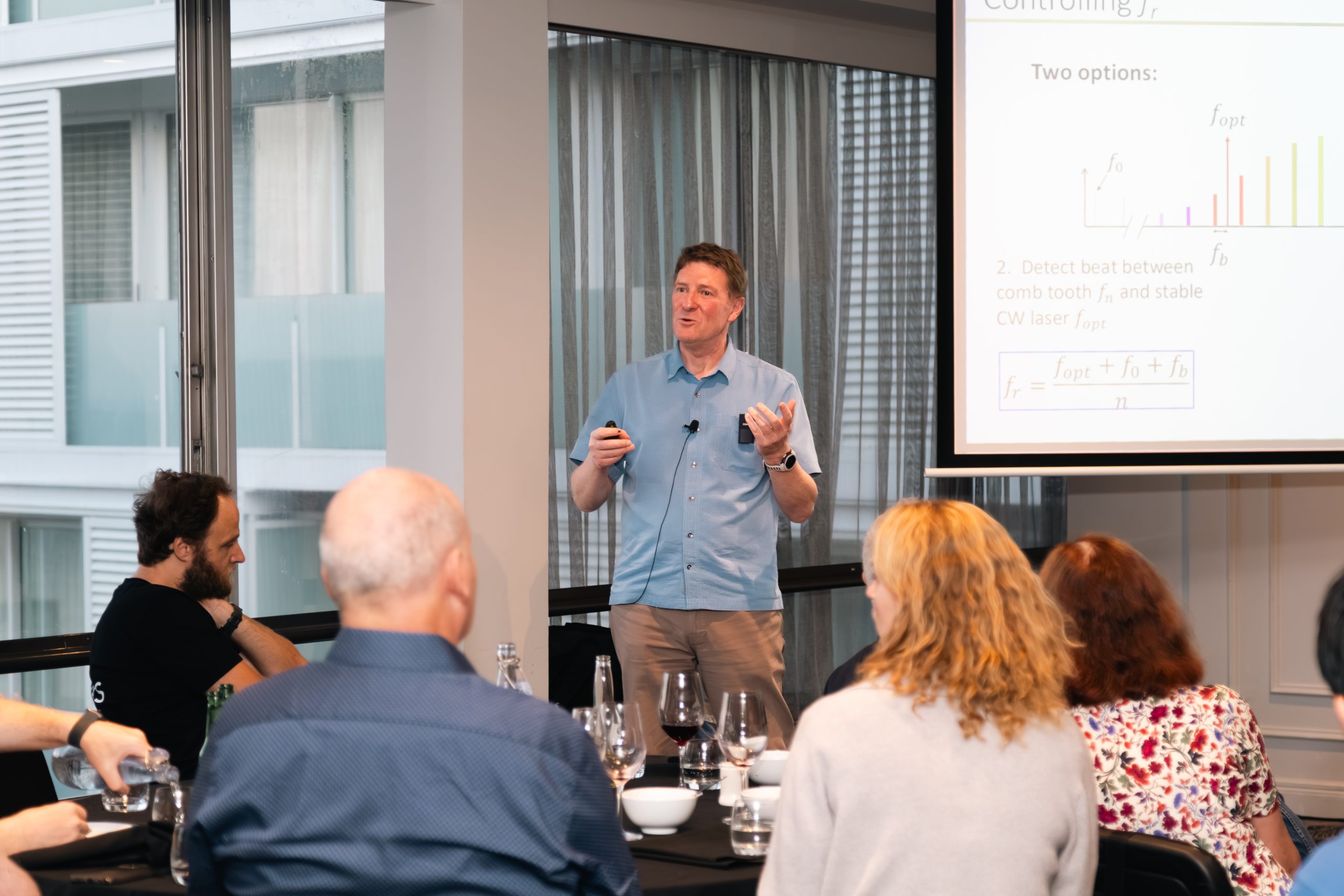
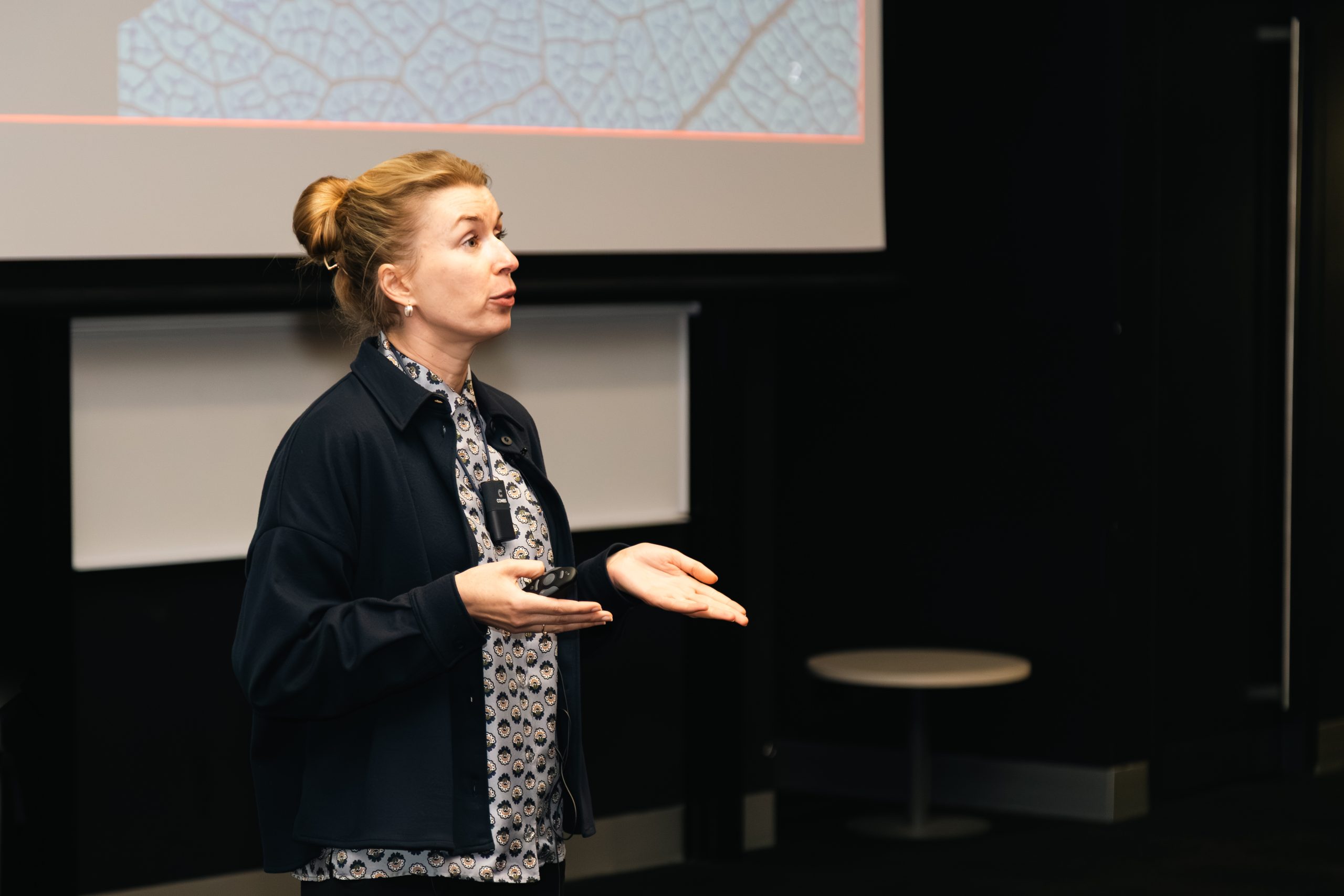
It was a fantastic four days of presentations, poster sessions, team building and plenty of laughs with more than 120 members of our COMB-unity from across the world.

Together we explored astronomy, precision sensing and measurement, seismology, data communications, laser physics, microscopy and spectroscopy, and education and equity, diversity and inclusion.

The inaugural COMBS Awards

Research excellence doesn’t happen in isolation – it grows through people and collaboration. Our inaugural COMBS Awards aimed to celebrate just that!

At our 2026 COMBS Annual Workshop, we were proud to recognise outstanding individuals and teams across all career stages whose contributions continue to strengthen our Centre and research community.

A massive congratulations to all our award recipients!

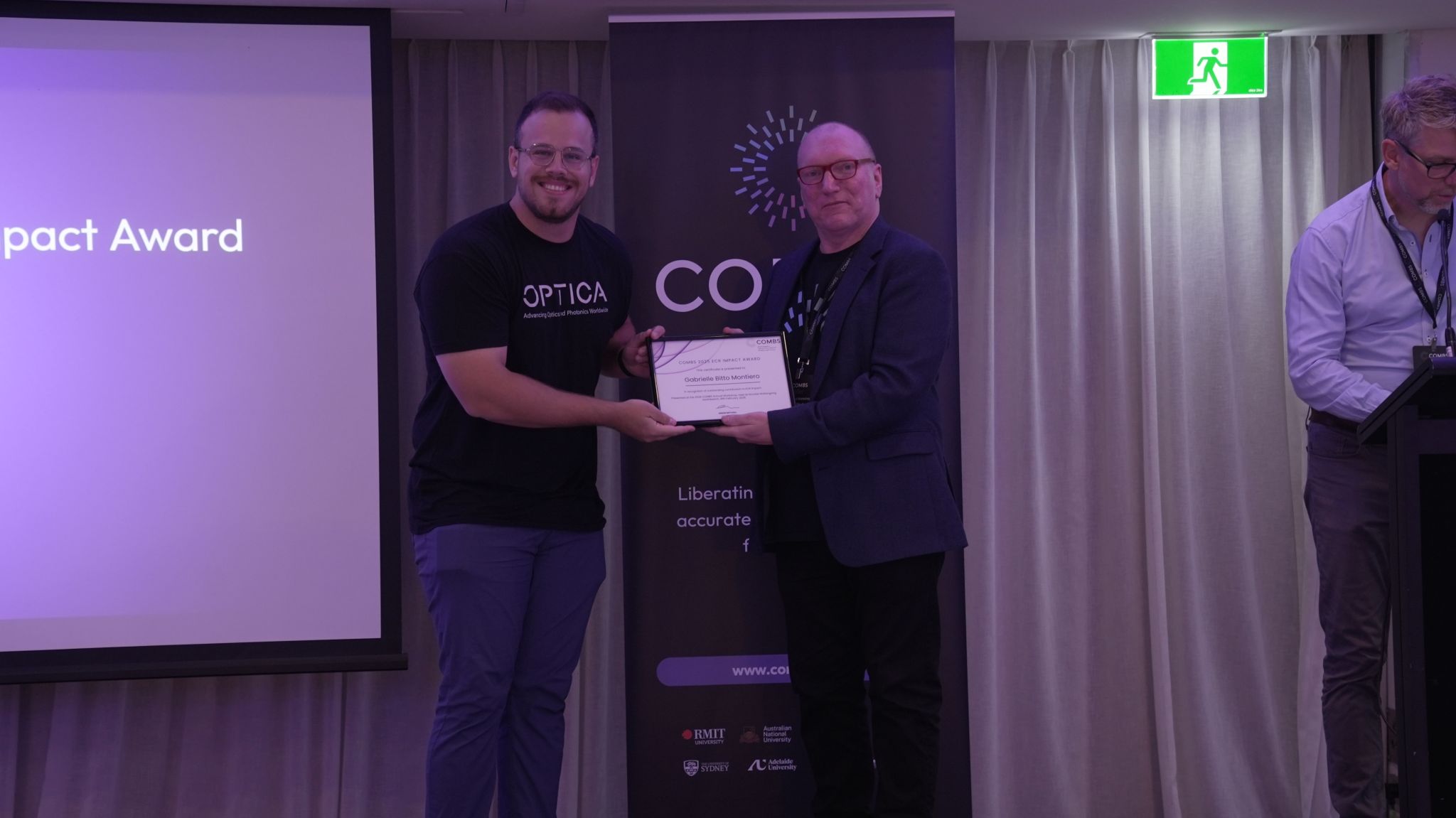
✨ Early Career Research Impact Award – Gabriel Britto Monteiro

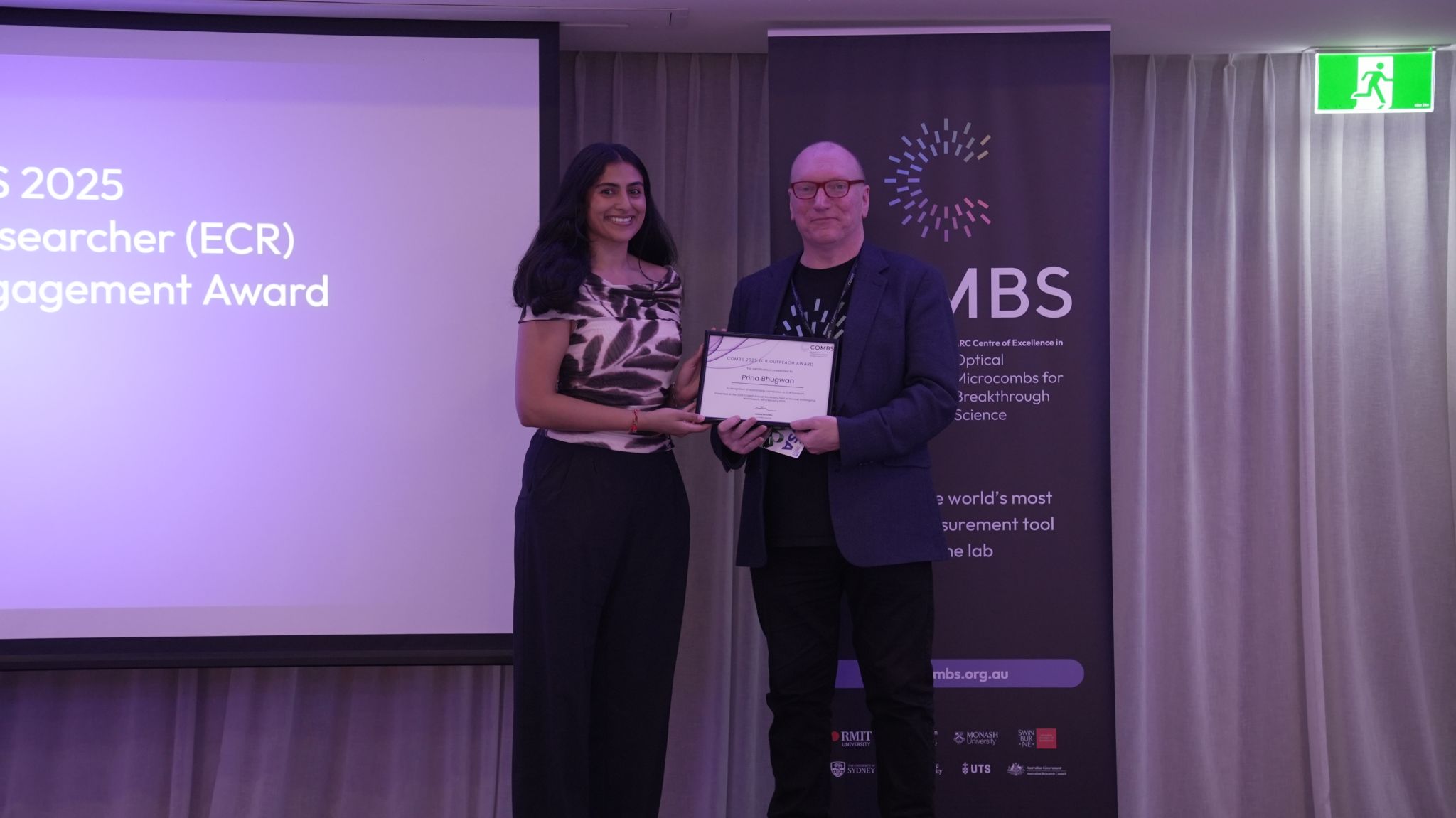
✨ Early Career Research Outreach and Engagement Award – Prina B.

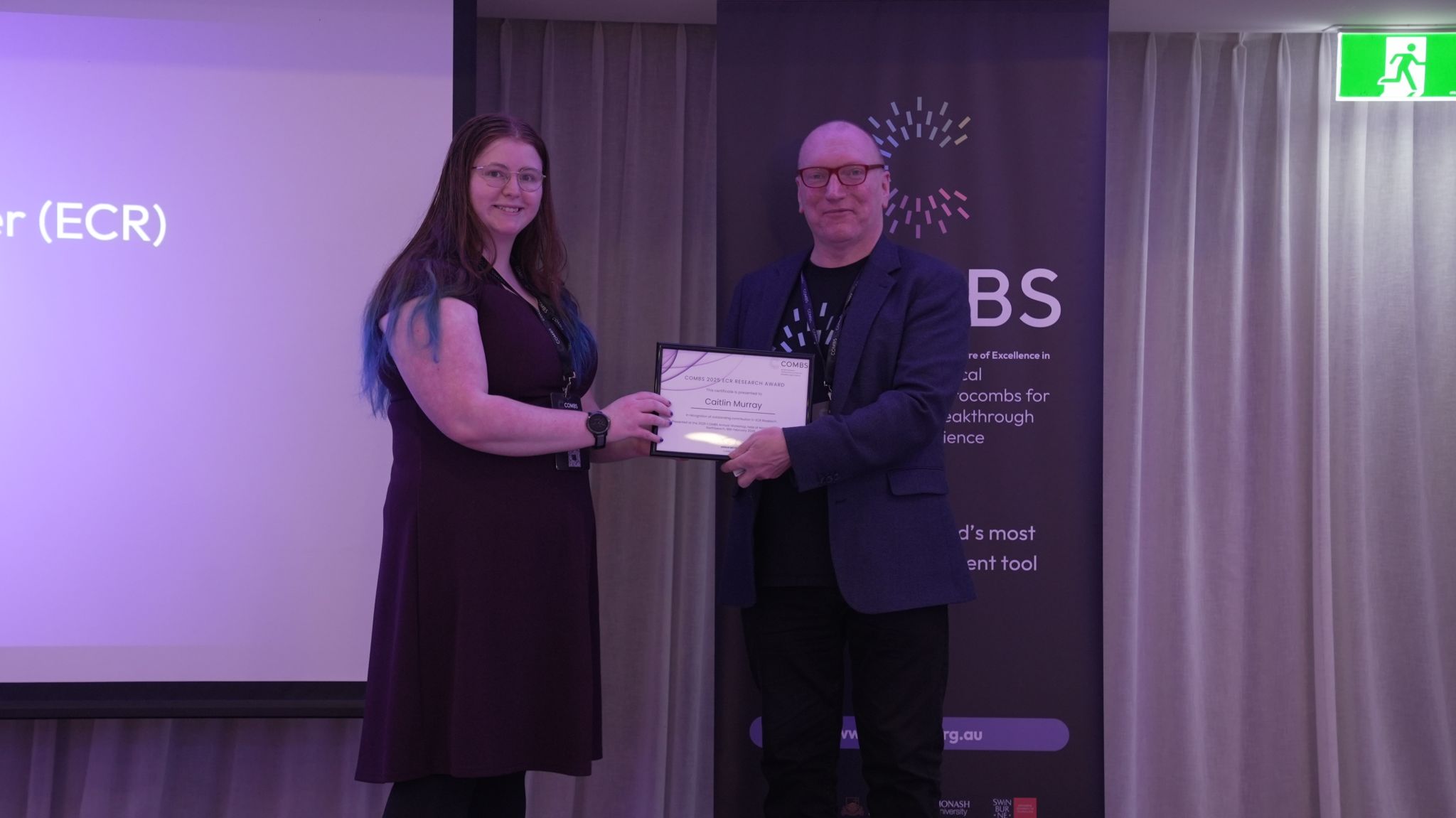
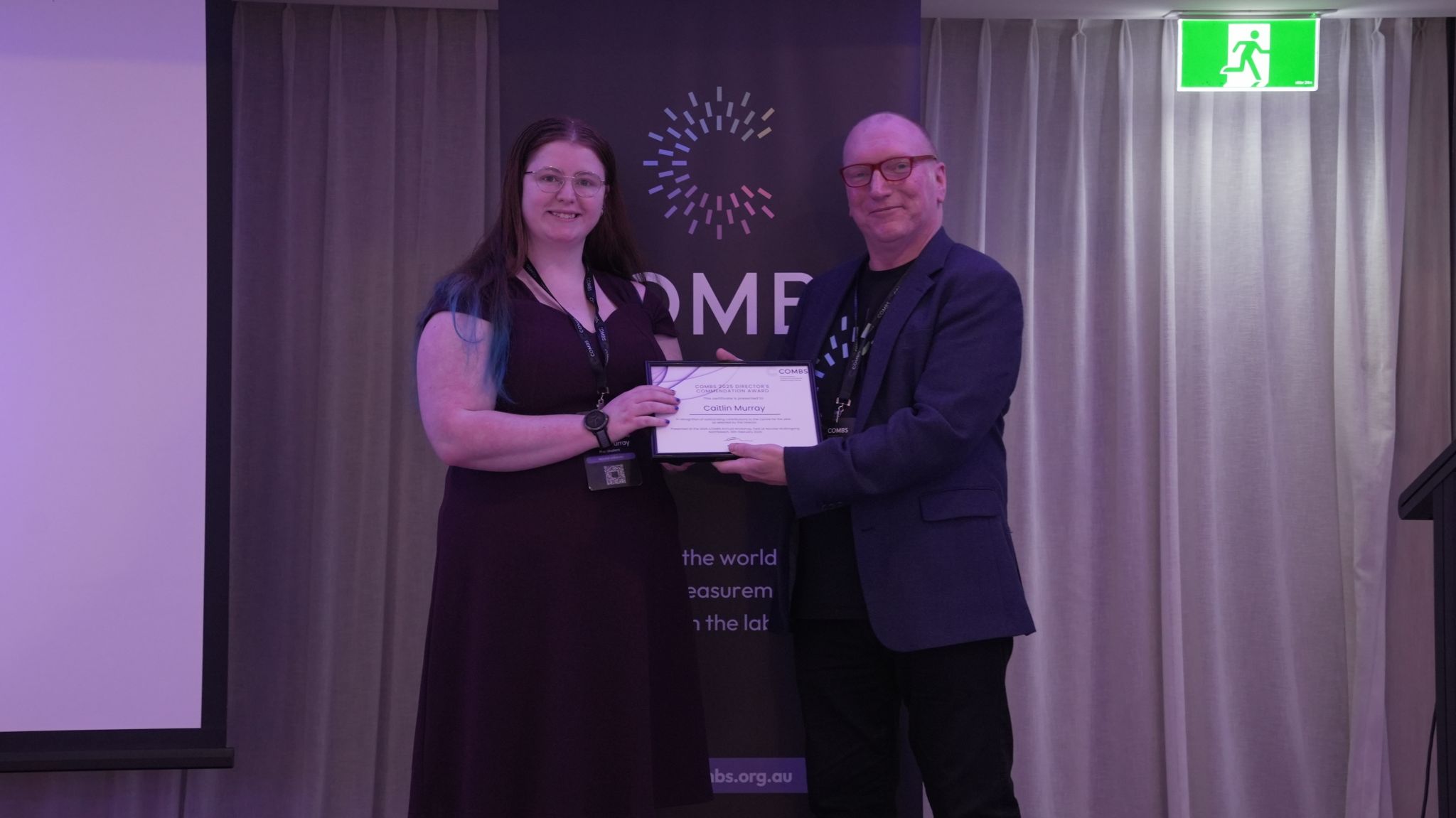
✨ Early Career Research Award – Caitlin Murray

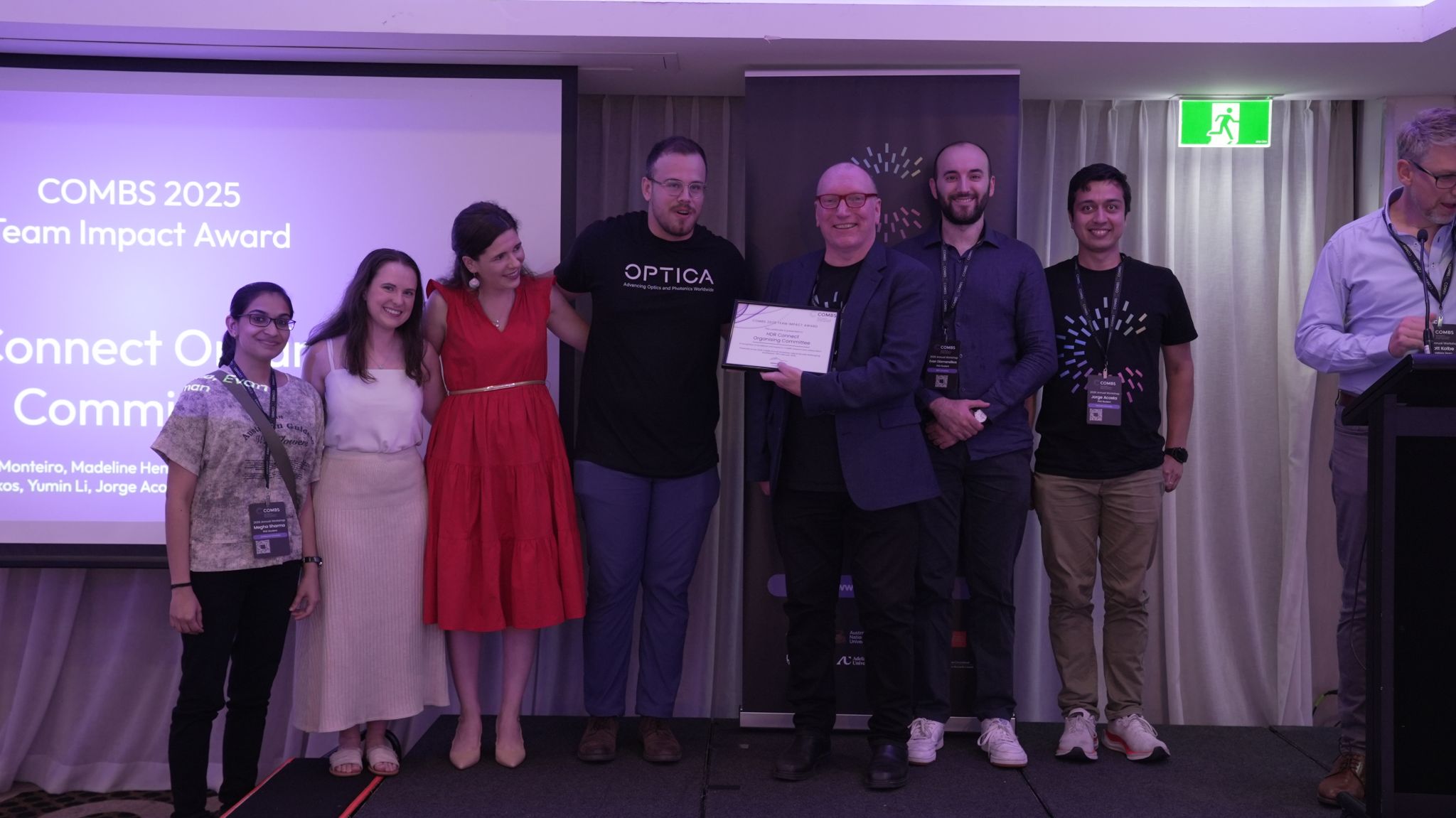
✨ Team Impact Award – HDR Connect Organising Committee (Megha Sharma, Madeline Hennessey, Ruth Waterman, Gabriel Britto Monteiro, Evan Diamandikos and Jorge Acosta)

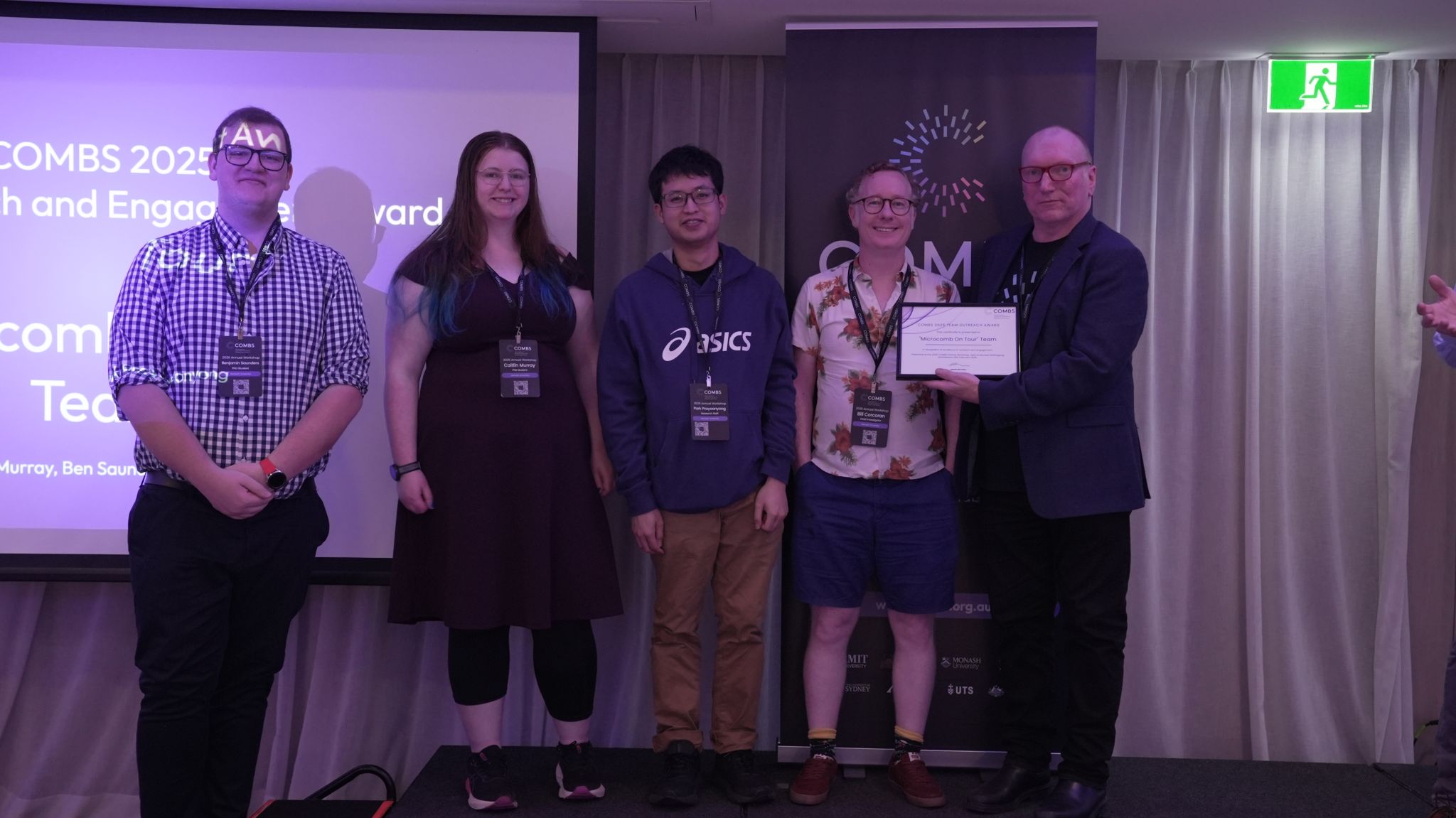
✨ Team Outreach and Engagement Award – “Microcomb On Tour” Team (Ben Saunders, Caitlin Murray, Chawaphon (Park) Prayoonyong, and Bill Corcoran)

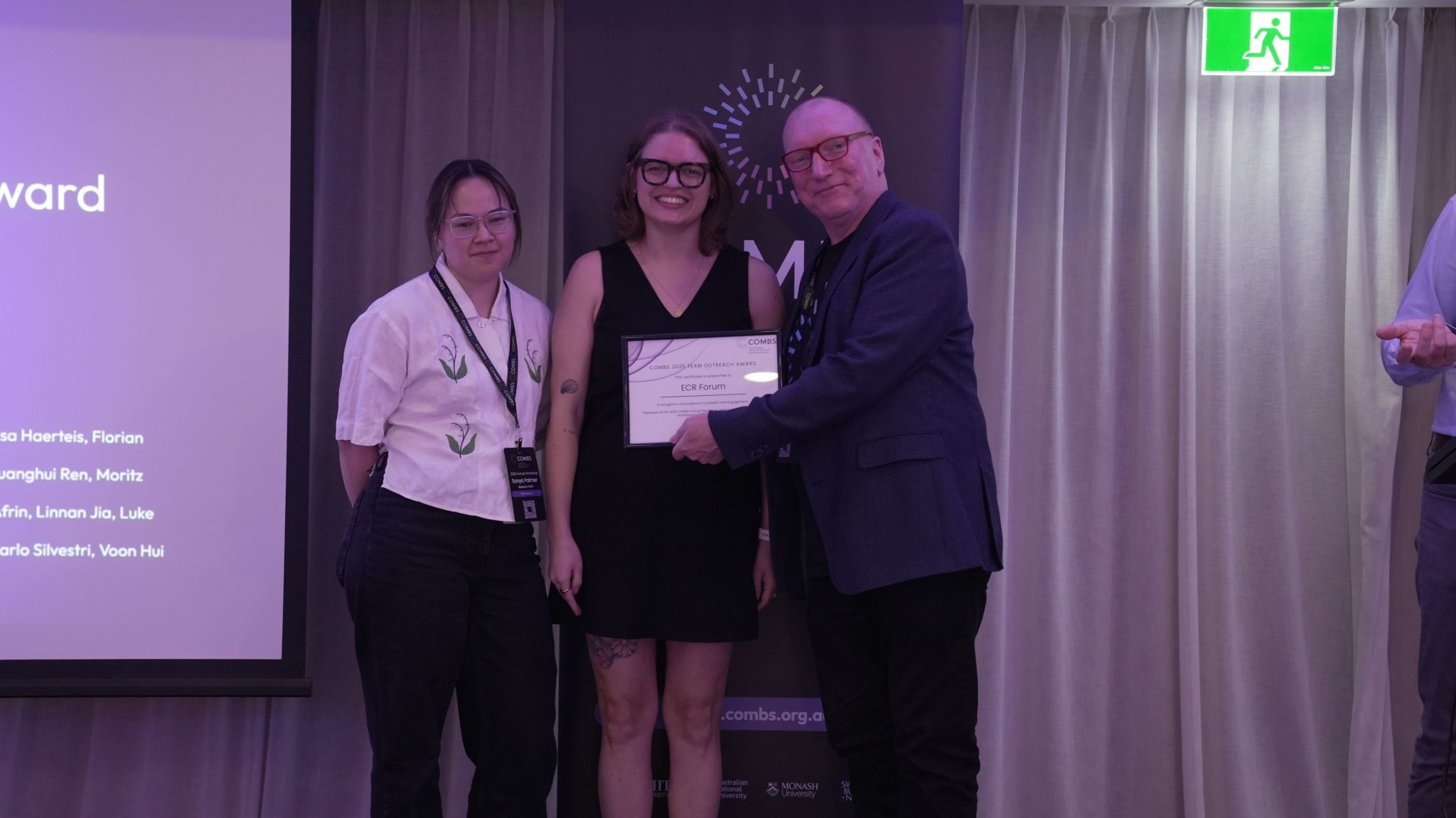
✨ Team Outreach and Engagement Award – Early Career Researcher Forum (Lisa Haerteis, Sonya Palmer and Toby Mitchell)

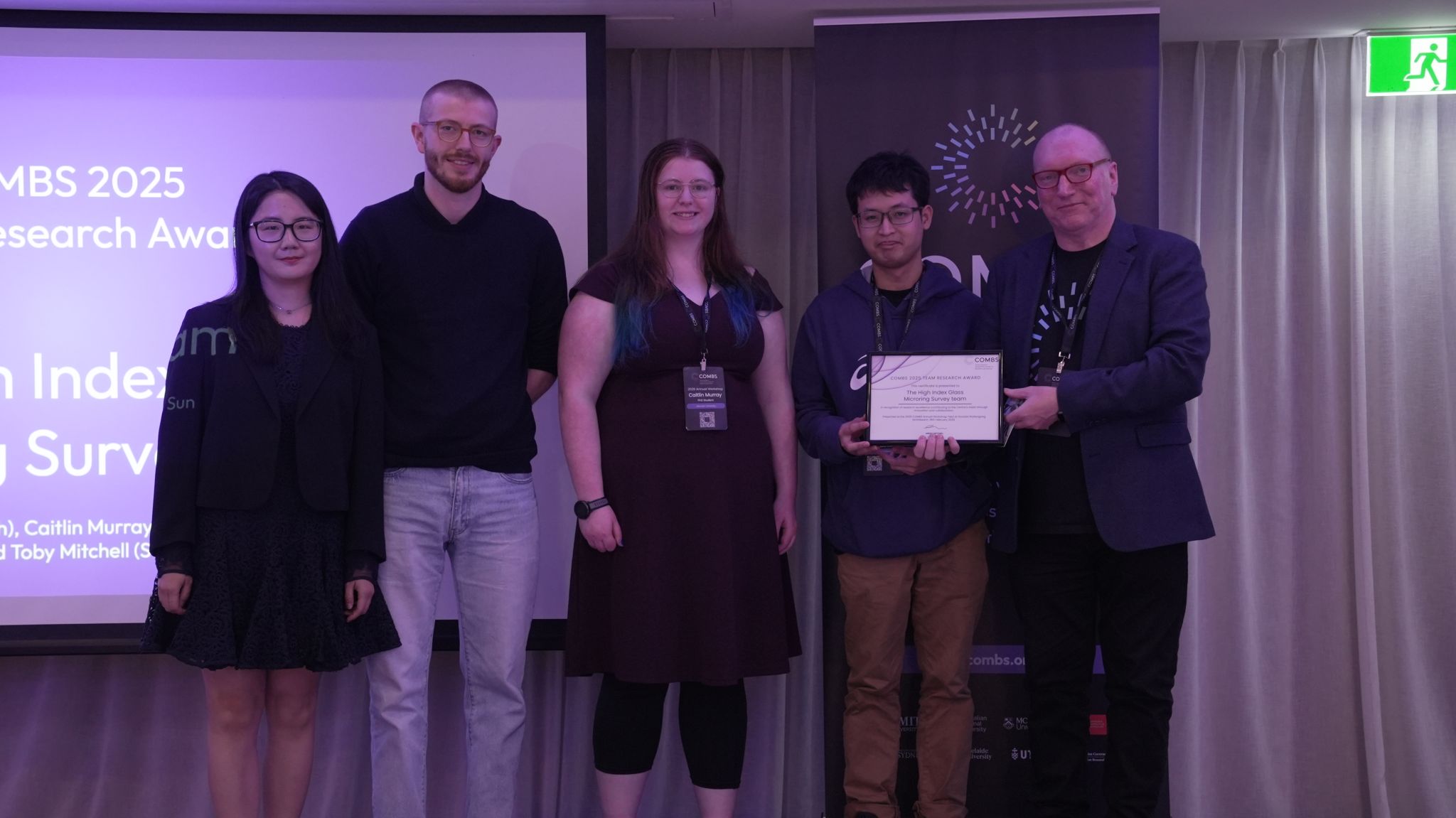
✨ Team Research Award – The High Index Glass Microring Survey Team (Yang Sun, Toby Mitchell, Caitlin Murray and Chawaphon (Park) Prayoonyong)

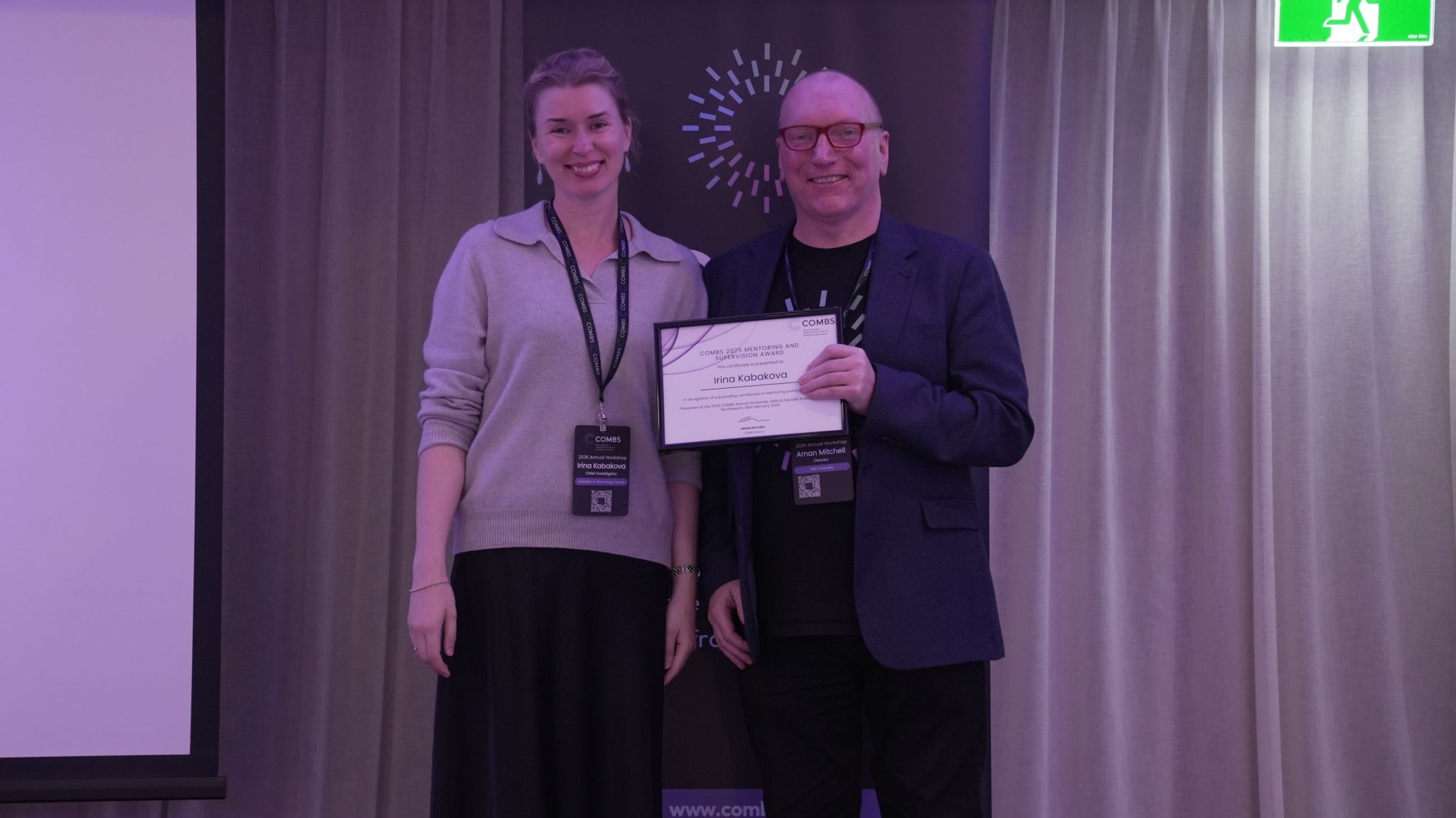
✨ Mentoring and Supervision Award – Irina Kabakova

✨ Director’s Commendation Award – Caitlin Murray

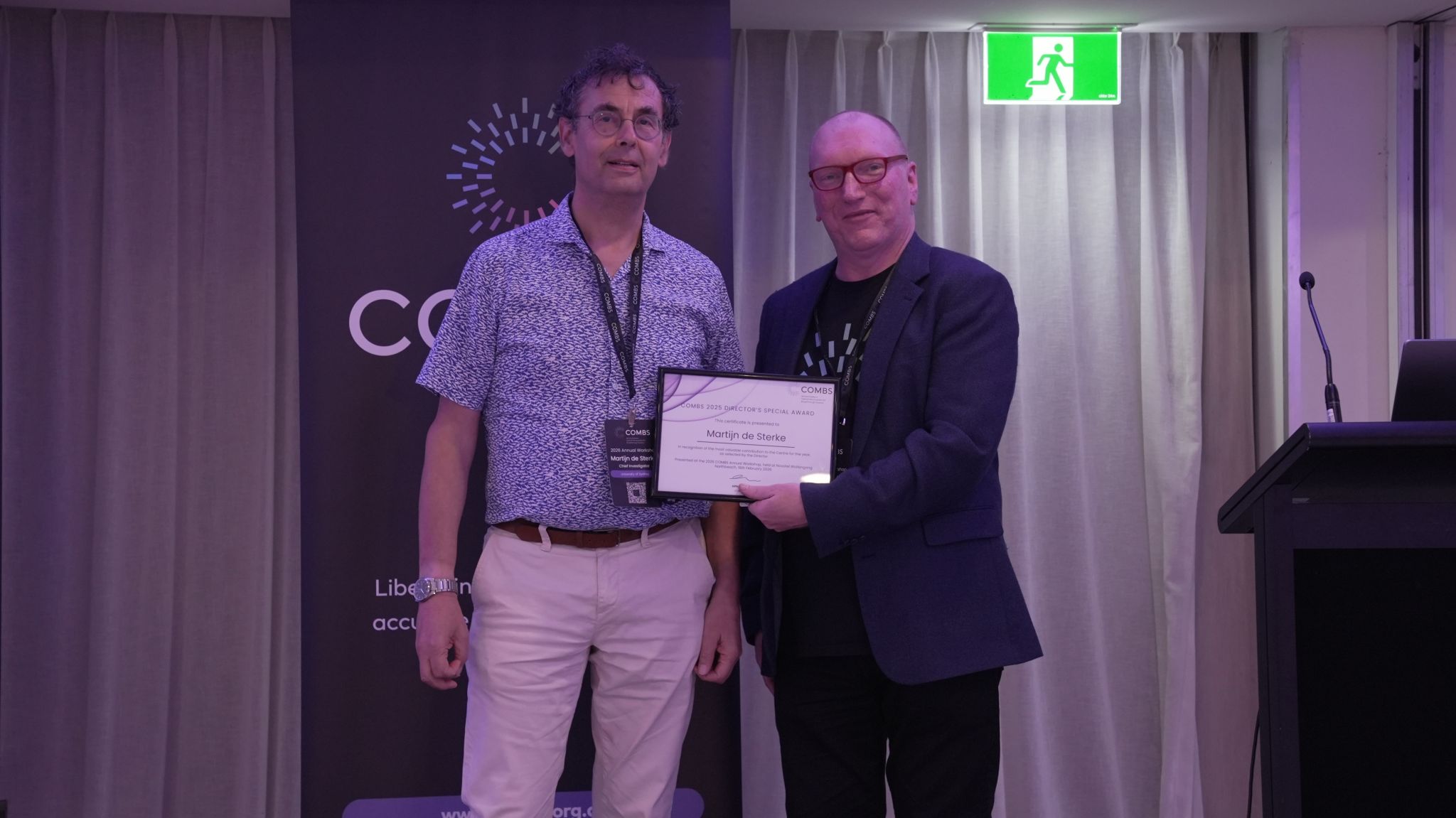
✨ Director’s Special Award – Martijn de Sterke

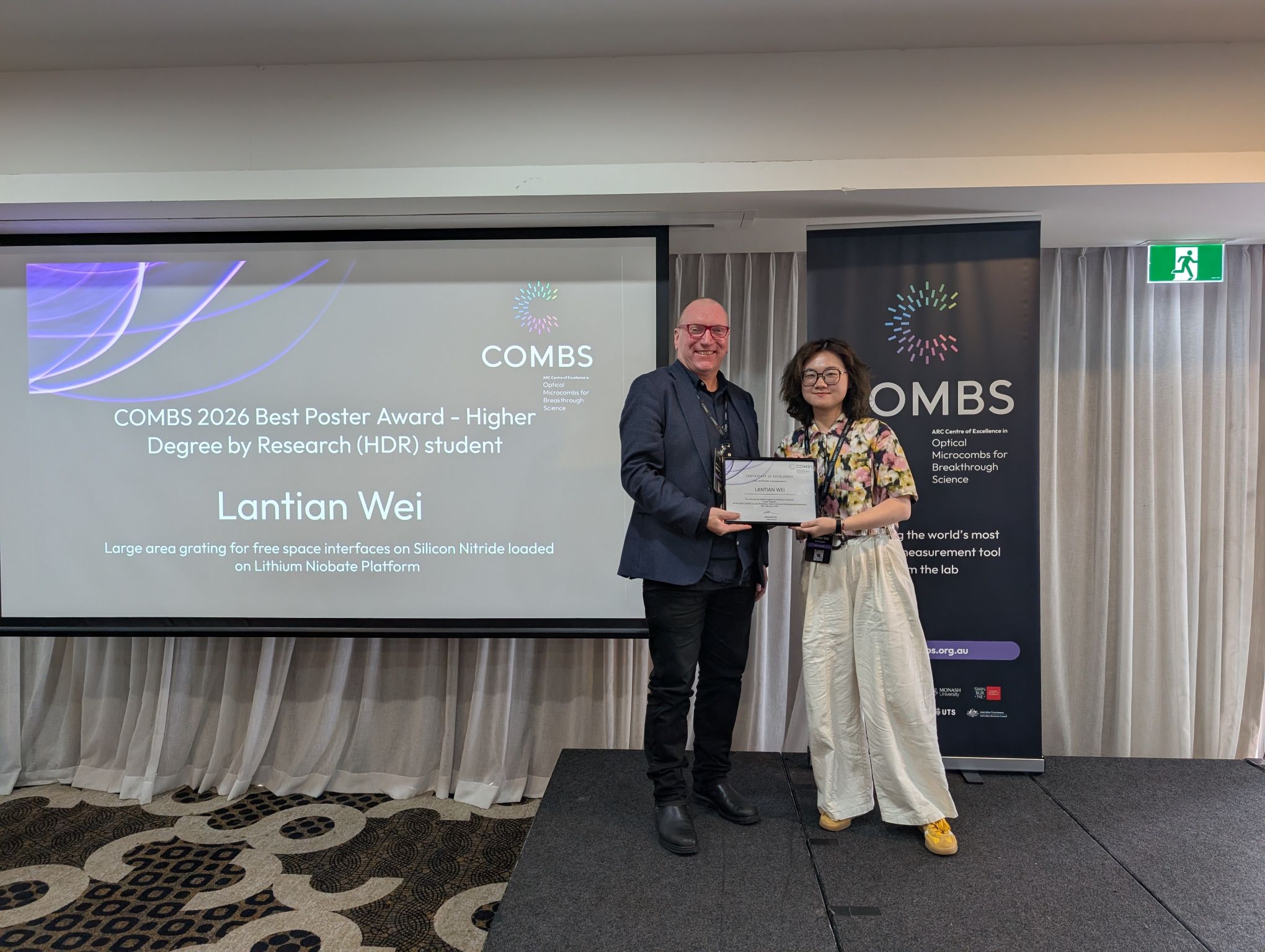
✨ COMBS Best Poster Award (HDR Students) – Lantian Wei

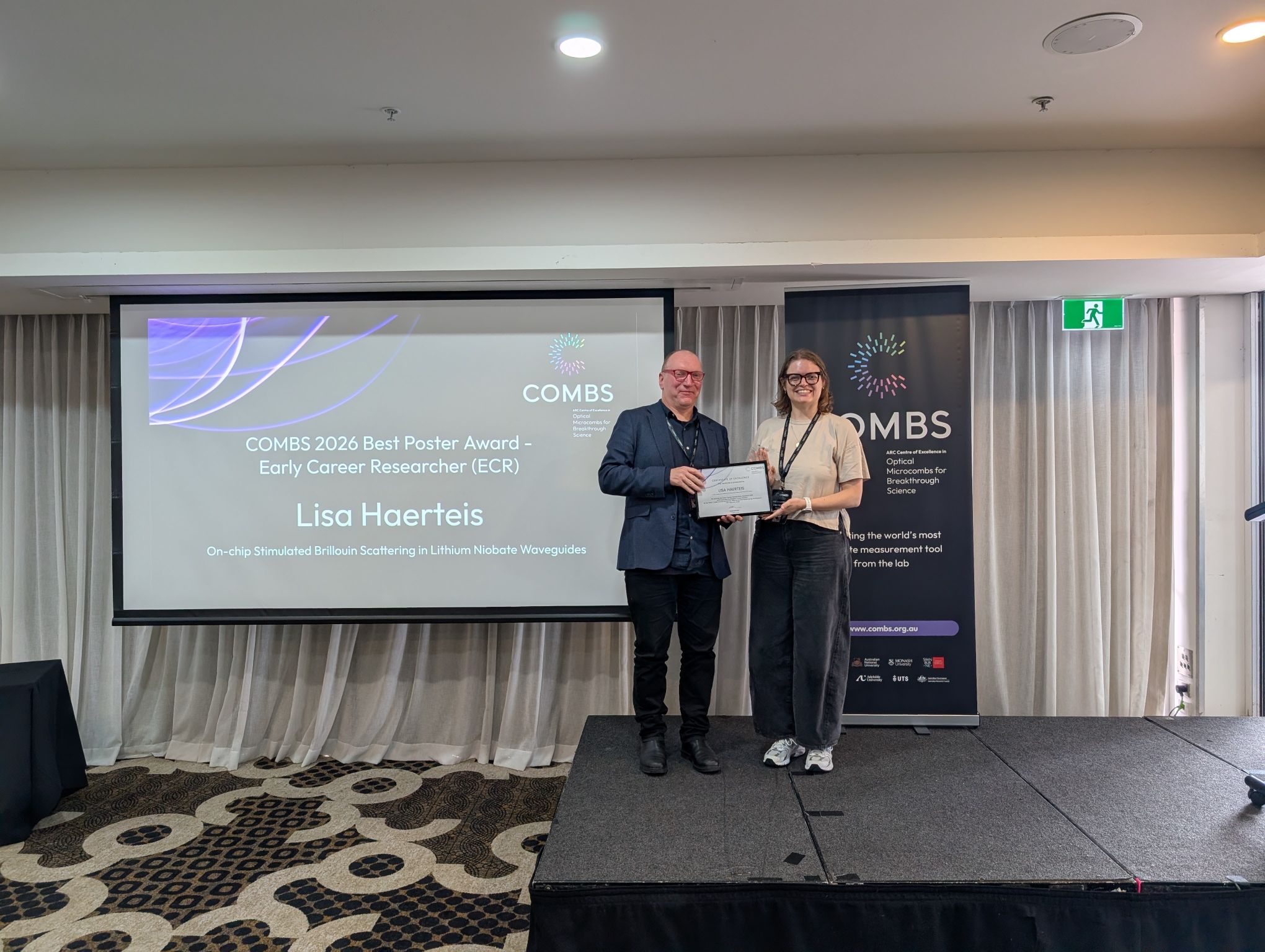
✨ COMBS Best Poster Award (ECRs, Research Staff & Associate Investigators) – Lisa Haerteis

We’re looking forward to continuing this spirit of innovation, collaboration and collective growth throughout the year ahead.

Well done all!

See highlights from the event in the photo gallery below.

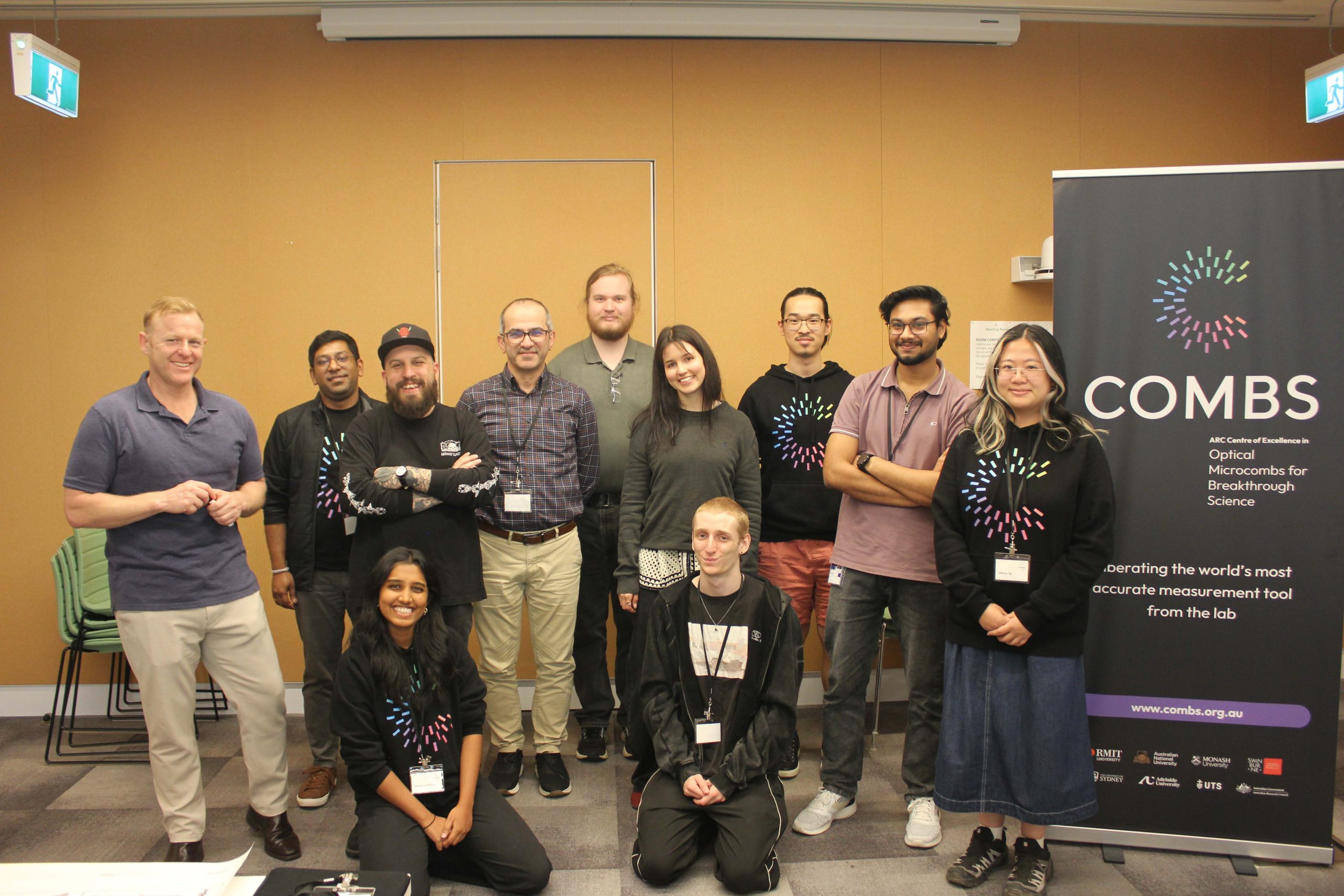
COMBS Award winners

Sundials, egg timers, or the stopwatch on your phone – what’s the most accurate way to measure a second?

Sundials, egg timers, or the stopwatch on your phone – what’s the most accurate way to measure a second?

Sundials, egg timers, or the stopwatch on your phone – what’s the most accurate way to measure a second?

In a review article published in Optica, our researchers explore how time is measured at the highest level of precision – and what it takes to count hundreds of trillions of atomic ticks per second.

Until recently, the most accurate atomic clocks rely on extremely stable caesium atoms that deliver billions of ticks per second.

This approach is currently being surpassed by a new generation of even more precise atomic clocks. These use optical signals that tick much faster – around a hundred trillion ticks per second.
The only way to work with these atoms is to use a sophisticated tool called an optical frequency comb – this makes these ticks comprehensible by normal electronics.

The challenge is that combs and clocks are still large, complex, and fragile.

At our Centre, we’re working to make the atomic clock + optical frequency comb a powerful frontrunner combination for measuring the second as accurately as possible – by transforming bulky frequency combs into compact, robust microcombs.

Congratulations to Tara Fortier from the National Institute of Standards and Technology (NIST), Helen Margolis from the National Physical Laboratory (NPL), and our Chief Investigator Andre Luiten on this timely review article.


Read the full review article in Optica here: https://opg.optica.org/optica/fulltext.cfm?uri=optica-13-1-143


Read the Adelaide University media release here: https://adelaideuni.edu.au/about/news/2026/taking-a-second-to-change-the-time/

COMBS Summer School: Building literacy in optical frequency combs beyond our Centre

COMBS Summer School: Building literacy in optical frequency combs beyond our Centre

Within our Centre and in the broader photonics community, very few people have experience with optical frequency combs, let alone microcombs.

Following the Australian and New Zealand Conference on Optics and Photonics in
Auckland in December 2025 – where we showcased a working microcomb – we ran our inaugural COMBS Mini Summer School with more than 85 attendees.

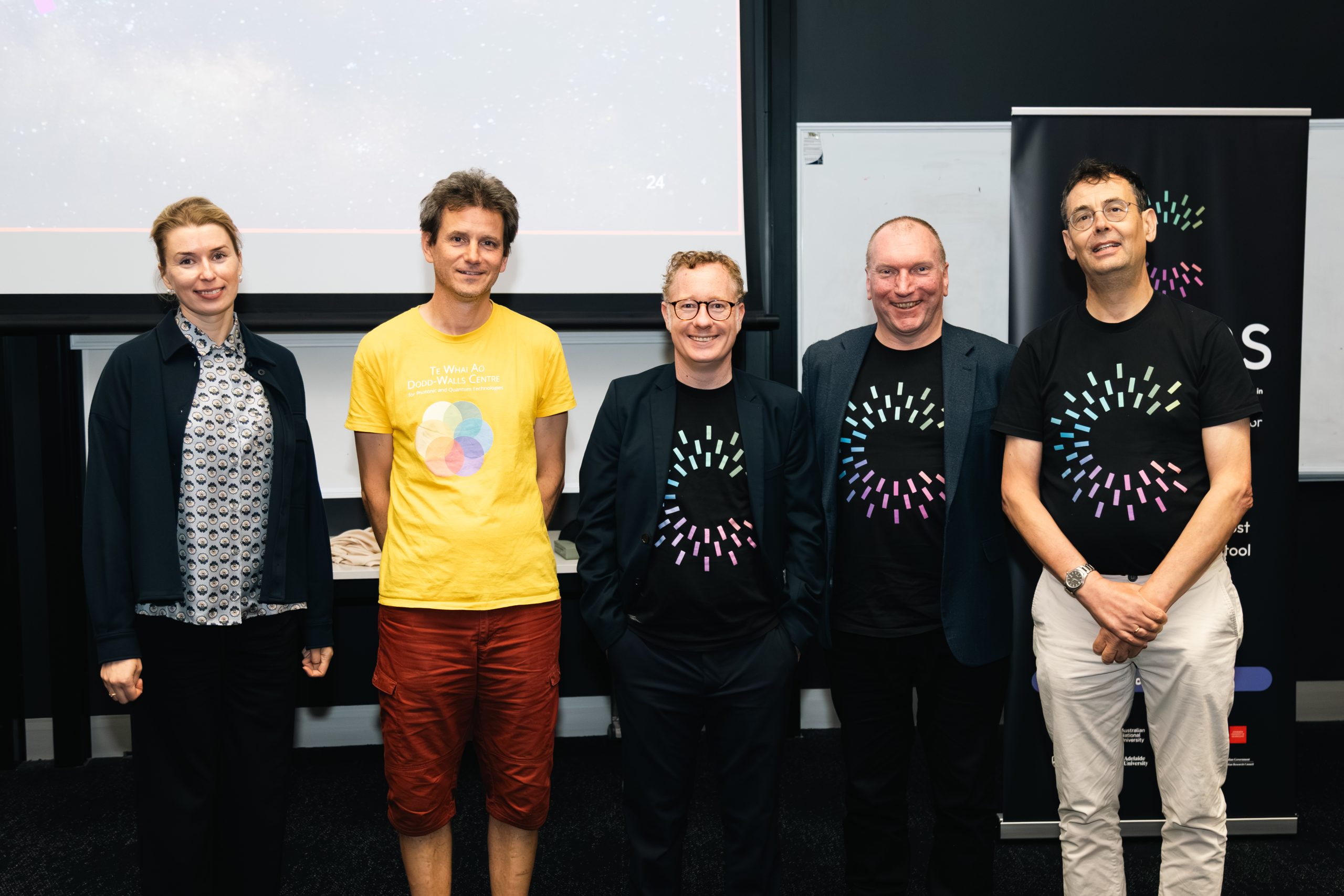
In partnership with the Dodd-Walls Centre, five COMBS speakers covered optical frequency comb fundamentals, applications, and a hands-on demonstration.

Summer School speaker program:

  • Scott Diddams from University of Colorado Boulder
  • Martijn de Sterke from University of Sydney
  • Stephane Coen from University of Auckland
  • Irina Kabakova from University of Technology Sydney
  • Bill Corcoran from Monash University

Each of these lectures were recorded and are available to watch on the COMBS YouTube channel.

Building the next-generation of microcomb researchers with our industry partners

Building the next-generation of microcomb researchers with our industry partners

To set our microcombs on a pathway to real-world application, we need to connect with industry partners.

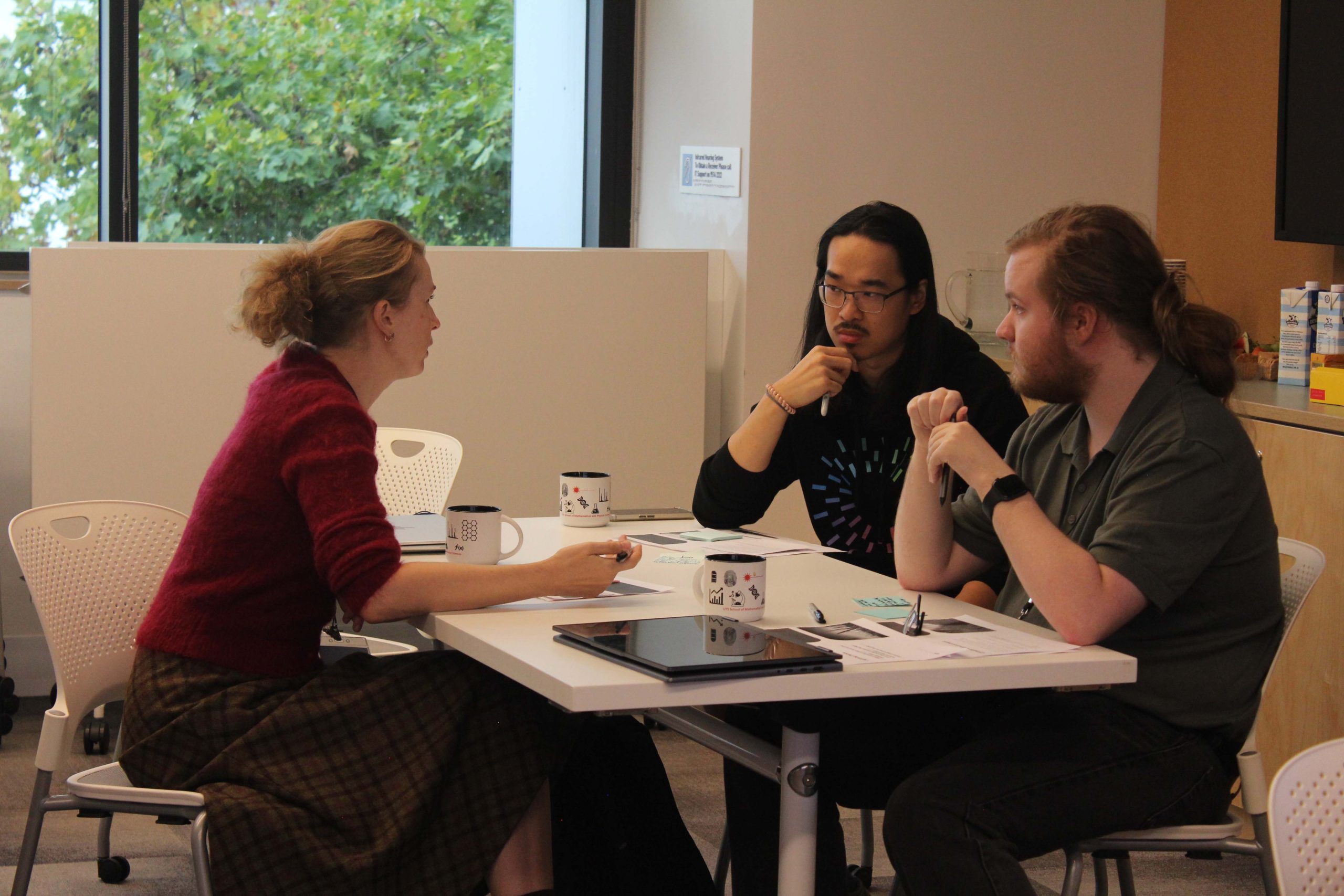
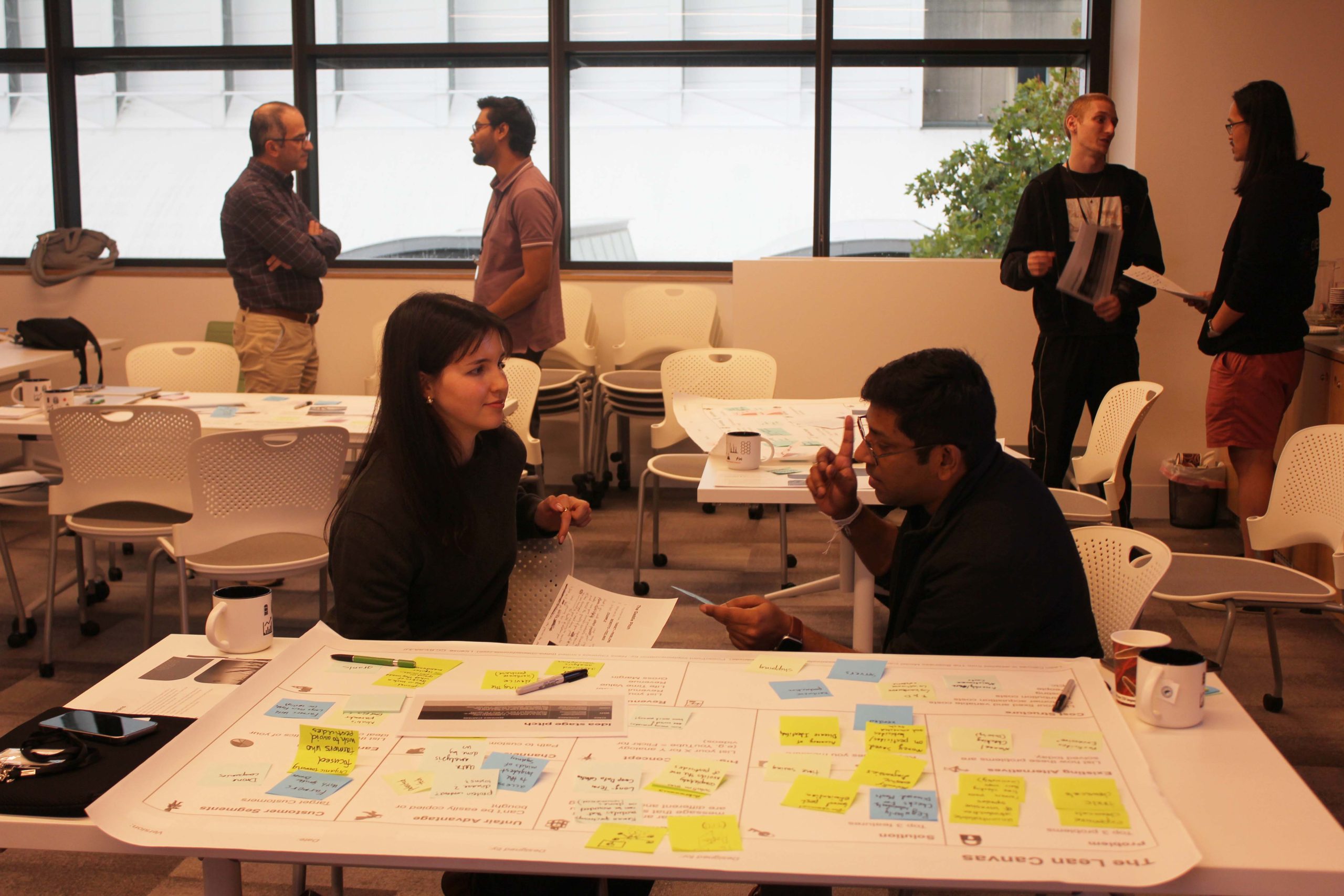
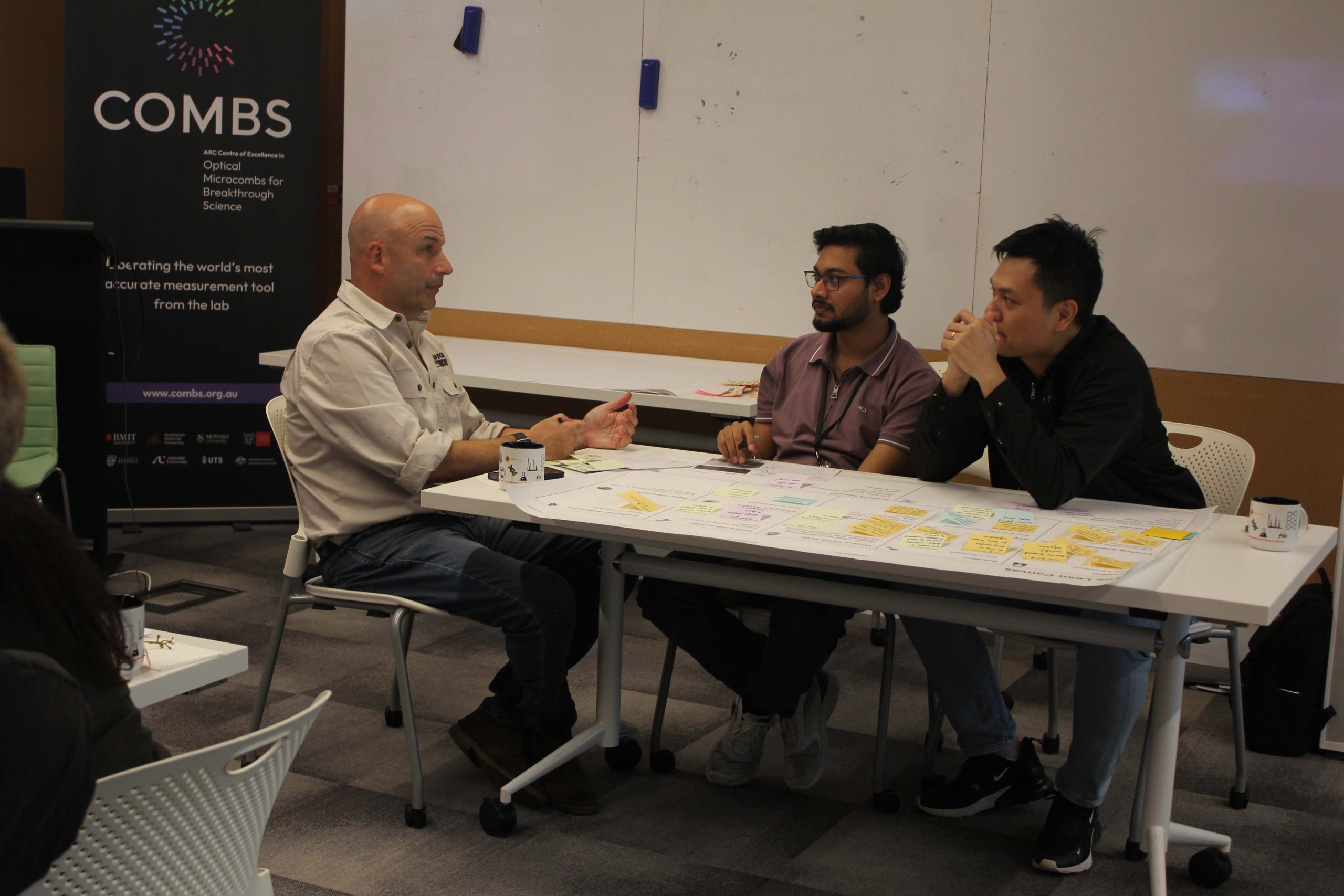
Our Industry Workshop was truly a day of matchmaking, bringing together our researchers and industry partners to develop PhD projects that embed our PhD students within industry through internships.

We brought together our fundamental physicists, technologists, seismologists, internet infrastructure experts and biomedical imaging experts – and paired them with our industry partners spanning the National Measurement Institute, Australia, DSTG, terra15, MOGLabs, Zabidou and Advanced Navigation.

The result? A room full of exchanged ideas, opportunities and tangible PhD projects to begin in 2026.

We now have five PhD projects that are in the works, giving students the chance to gain hands-on experience within industry through internships.

Altitude sickness and bumpy roads – designing a robust measurement tool to enable the search for Earth-like planets

Altitude sickness and bumpy roads – designing a robust measurement tool to enable the search for Earth-like planets

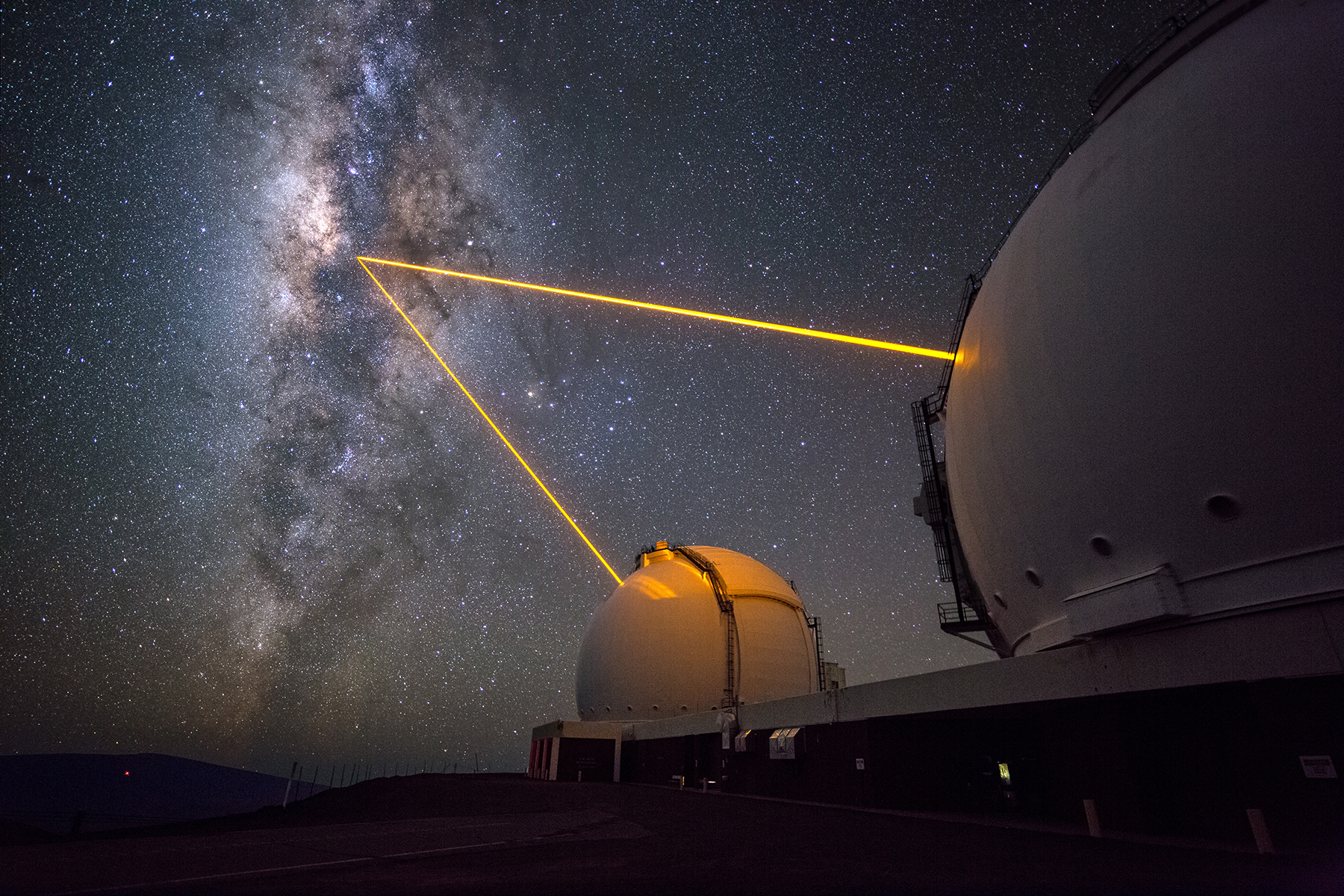
The two Keck telescopes peering into the centre of the Milky Way galaxy. Credit: Sean Goebel

When you’re trying to fix something, you want to make sure you’ve got the right tool that’s reliable enough for the job – and that’s exactly what our astronomers and technologists set out to do last month at the W. M. Keck Observatory atop Maunakea in Hawaii.

Measurement is key to astronomy. Rough estimates just won’t cut it when we’re trying to discover Earth-like planets orbiting sun-like stars, test whether Einstein’s theory of relativity holds up, or figure out if the laws of physics have stayed constant over time.

The optical frequency comb for astronomy, or “astrocomb,” is the world’s most accurate ruler, and it could be the tool we need. This ruler helps astronomers as a reference point for all the data arriving from the skies each night after observations – when it works.

But here’s the issue: Current astrocombs are prone to breaking due to their complexity, which leads to incomplete datasets and only snippets of the bigger picture. They’re also expensive, which means many observatories can’t afford them. To make matters worse, they don’t measure into the bluest wavelengths – the critical wavelengths needed to see features of Earth-like planets.

The astrocomb could still hold the answer – but only if we can make it more robust, so it can run 24/7 for decades, measure in the bluer wavelengths, and withstand the bumpy trek up to astronomical observatories.

Bringing together technologists and astronomers to overcome the technical challenges of getting a more accurate measurement tool up to the astroconomical observatories of Maunakea, was the purpose of the Astrocombs Theme Workshop held last month, where our researchers from Caltech, Menlo, Keck, and our Australian contingent spanning Swinburne, RMIT, Monash, and ANU came together.

And to really understand the challenges first-hand, it was crucial for our technologists to experience:

  • The bumpy road up to the top of the mountain to the telescopes to ensure the tool they create is robust enough to withstand this trek
  • The head fogginess of altitude sickness, operating on just 60% of the oxygen our brains are used to
  • The constantly-changing climate at more than 4,000 metres elevation, when cloud passes over or when weather changes quickly 
  • And the enormous scale and resource limitations of these enormous telescopes at the Keck Observatory, Canada France Hawaii Telescope (CFHT), and International Gemini Observatory.

Ironing out these needs was the purpose of the Astrocombs Theme Workshop held last month, where our researchers from Caltech, Menlo, Keck, and our Australian contingent spanning Swinburne, RMIT, Monash, and ANU came together.

A huge thanks to Keck Observatory for hosting us – learn more about what our Astrocombs Theme is working on below.

Developing consistent standards in biomedical imaging for developmental biology and cancer diagnostics

Developing consistent standards in biomedical imaging for developmental biology and cancer diagnostics

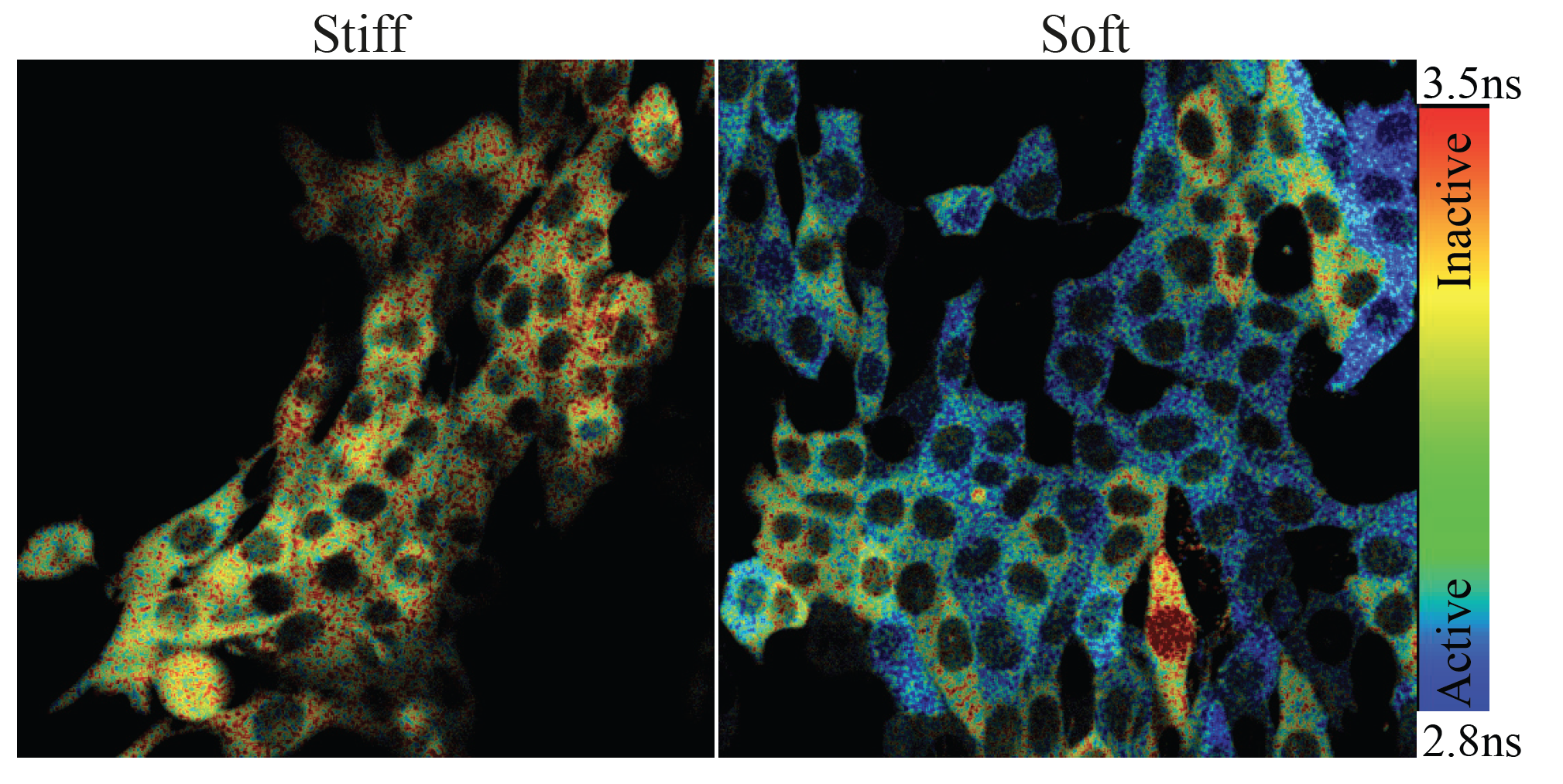
Biomedical imaging at high resolution – without needing extra labels that could affect the sample – is a game changer for developmental biology, cancer diagnostics and ophthalmology.

But the field behind this promise – Brillouin microscopy – still lacks standardised practices, making data hard to compare and interpret across studies and different labs.

COMBS researchers Prof Irina Kabakova and Dr Hadi Mahmodi, together with many world-leading Brillouin microscopy specialists, published a consensus statement in Nature Photonics that set out to change that. It’s a major step toward consistency, clinical translation, and real-world impact.

Read the article in Nature Photonics.

The material that gets everything on the same wavelength

The material that gets everything on the same wavelength

  • Microcomb Science and Technology
  • Sensing and Measurement
The group of world leaders in lithium niobate - including our Director Arnan Mitchell and Chief Investigator Andy Boes - at the Lithium Niobate on Insulator Integrated Photonics from Fabrication to Classical and Quantum Applications at Les Houches Physics School (École de physique des Houches) in France.

Every time we send an email or a WhatsApp message, it’s pulses of light travelling through optical fibres around the world that make it possible. That’s photonics – the science of generating and manipulating light.

Because of decades of internet-driven research, most photonic chips today are designed for the infrared part of the light spectrum – perfect for telecommunications, but not so useful for other fields.

Applications like biomedical imaging need visible light. Astronomy needs UV. To take advantage of the advances in telecommunications, we need a way to move light around to open up other parts of the light spectrum.

A material called lithium niobate – which is in fact an artificial crystal – has had a resurgence in popularity due to its ability to move light around on a microchip – to the visible for biomedical applications, and to UV for astronomy.

Lithium niobate helps silicon microchips to get on the same wavelength as those its applications needs.

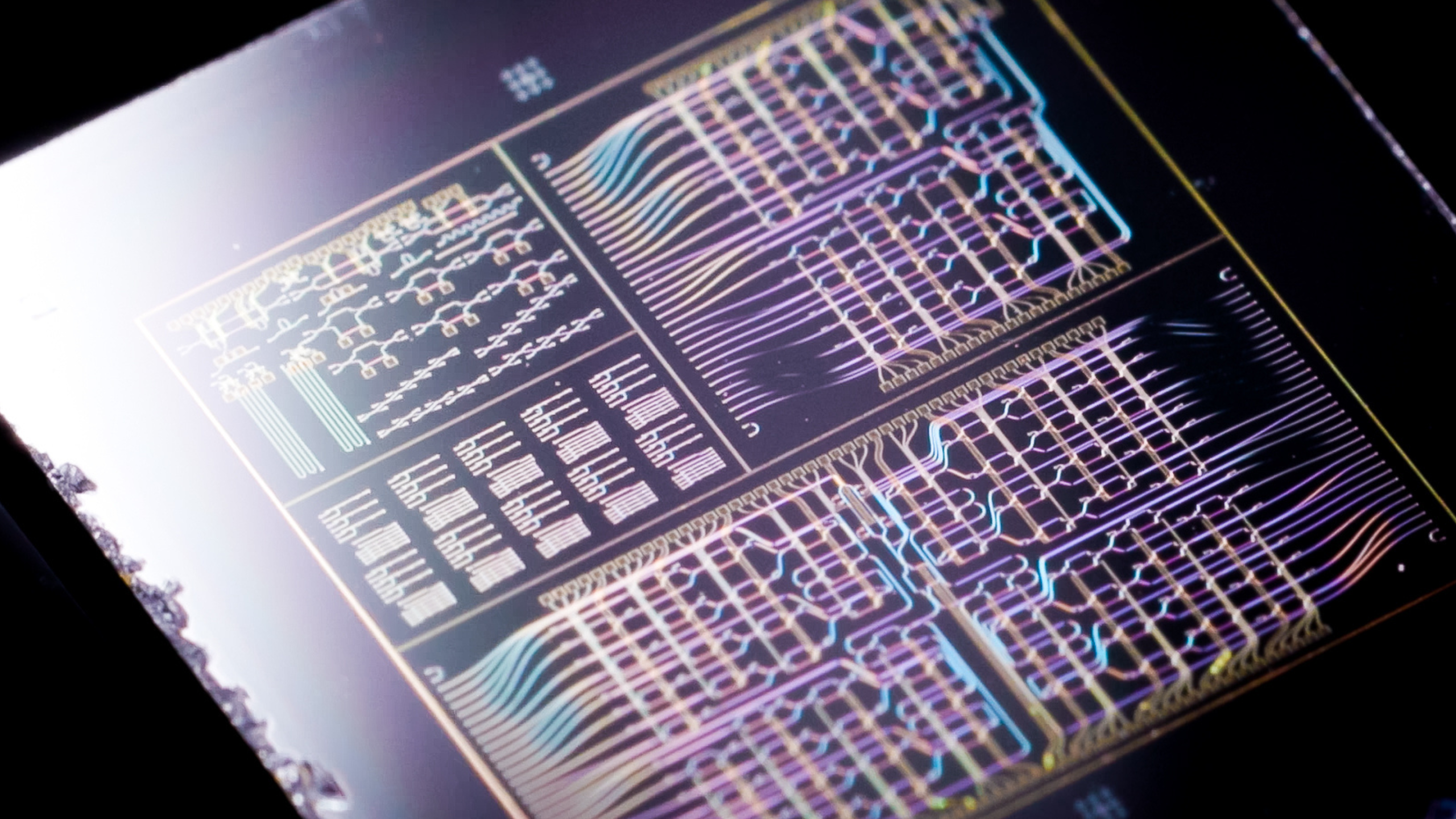
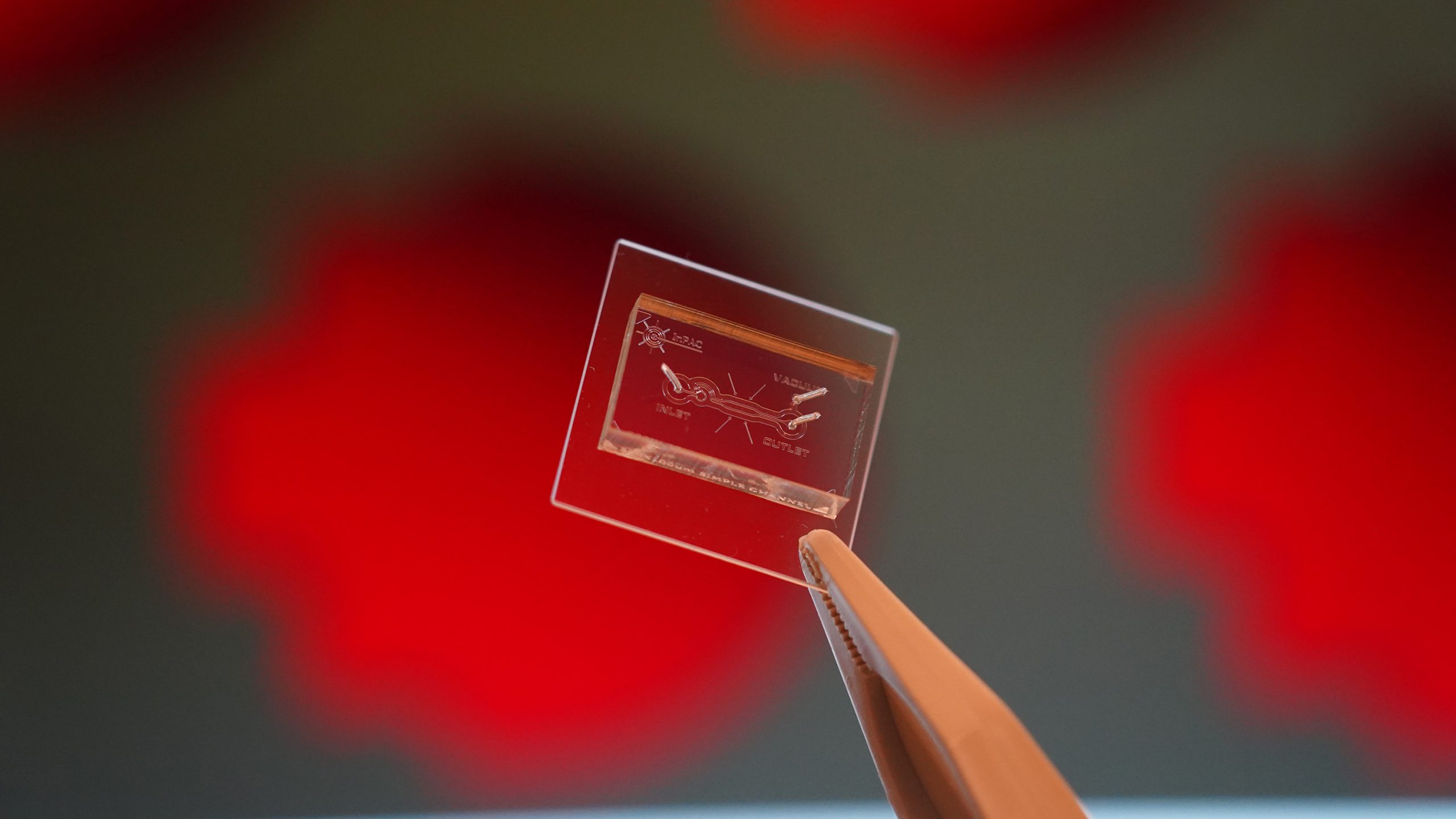
This lithium niobate chip is the size of a fingernail and is made on thin film lithium niobate and can be used in telecommunications, to make our internet faster.

But only recently did it become so accessible, thanks to a technique that can turn the artificial crystal into a ‘thin film’. And now we have ‘thin-film lithium niobate’ that has made it possible to make more compact and complex circuits, with less energy.

This new era of thin-film lithium niobate makes it very useful for our Centre’s optical microcombs – the world’s most accurate measurement tool – so we can easily adapt our chips to be on the same wavelength as their application requires.

To explore the full potential of thin-film lithium niobate for biomedical applications in the visible wavelengths, or for astronomy in the UV wavelengths, our Director Arnan Mitchell, and Chief Investigator Andy Boes are at the Lithium Niobate Summer School in Ecole de Physique Les Houches. They’re sharing knowledge and exploring new research partnerships with other lithium niobate leaders in the field, in the hope to make some of these applications possible!

Read more about the school: www.houches-school-physics.com/program/program-2025/lithium-niobate-on-insulator-integrated-photonics-from-fabrication-to-classical-and-quantum-applications-1482122.kjsp

Light-powered chip technology to help data centres keep up with demand

Light-powered chip technology to help data centres keep up with demand

  • Information and Intelligence
  • Microcomb Science and Technology
Our Chief Investigator William (Bill) Corcoran in the laboratory investigating light-based technologies to help our data centres keep up with growing data demands.

Our world wide web traffic is growing exponentially by 25% every year, and published today in Nature Photonics, COMBS researchers have shown that microcomb technology – devices that can fit on a chip the size of a fingernail – could help our data centres to keep up with demand.

The review paper describes how the cutting-edge, light-powered chip technology that is the focus of our Centre could address massive demands on global fibre optic communication networks.

Microcombs are reliable and stable and can be used to transmit orders of magnitude more data than current commercial systems through existing fibre optic cables, making them a cost-effective solution for meeting future internet demands.

This review paper was written by our COMBS Centre members, including:

  • Chief Investigator William (Bill) Corcoran
  • Deputy Director David Moss
  • Director Arnan Mitchell
  • Partner Investigator Leif Katsuo Oxenlowe
  • Partner Investigator Roberto Morandotti

Read the article Optical microcombs for ultrahigh-bandwidth communications in Nature Photonics here: www.nature.com/articles/s41566-025-01662-9

Cosmos article: ‘Combing your breath’: next step in medical diagnostics is closer

Cosmos article: ‘Combing your breath’: next step in medical diagnostics is closer

This article was written by Imma Perfetto, Science Journalist at Cosmos Magazine. Read the full article here.

Imagine standing in your kitchen at home, feeling a little off colour. You grab a handheld device from the medicine cabinet and breathe into it, looking for an instant diagnosis of whatever you’re coming down with.

Such a machine is being developed right now, using technology called optical frequency combs. Or just combs.

“You could imagine it in your phone,” suggests Dr Sarah Scholten, a researcher at the University of Adelaide’s Institute for Photonics and Advanced Sensing in Australia.

“Maybe you’re having a phone call, or you’re scrolling through TikTok, you’re breathing on it, and it says, ‘hey, you’ve got the markers for the flu, you should go to the doctor.’”

Perhaps the device could be used by a doctor to track their patient’s health in remote areas that do not have access to state-of-the-art facilities, or without the need for invasive procedures.

In time-sensitive situations, it could reveal the identity of an infectious disease so it could be treated immediately, or whether a sportsperson has dabbled in doping.

Scholten and her colleagues are working to make these dreams a medical reality.

Read the full story here.

Optical frequency comb experiment to analyse baker’s yeast.